If you own an Annex heritage home, renovation decisions can feel unusually high stakes. You want to protect the character that makes the property special, but you also need a house that works for modern life. The good news is that a confident renovation starts with the right sequence, clear City guidance, and a repair-first mindset. Let’s dive in.
Start With Heritage Status
Before you sketch plans or price out finishes, confirm exactly how your property is recognized by the City of Toronto. The most practical first step is using the City’s Heritage Property Search tool to determine whether your home is listed on the Heritage Register, individually designated under Part IV, or located within a Heritage Conservation District.
That distinction matters. A listed property is not regulated in the same way as a designated one, while a home in a Heritage Conservation District may require heritage review for exterior alterations or demolition. In The Annex, this is especially important because the neighbourhood is treated as a broader heritage landscape with multiple planning areas, and as of March 2026, West Annex Phase II remains an active HCD study area.
Understand What The City Looks At
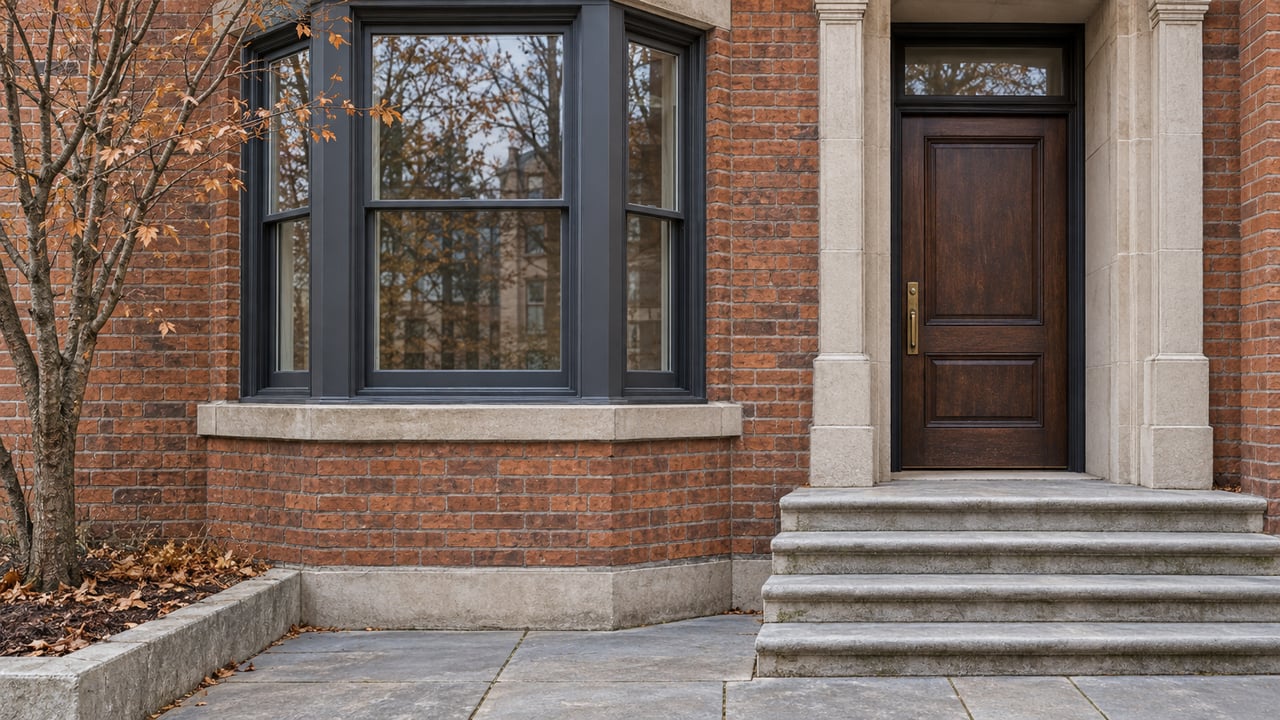
In The Annex, heritage review usually focuses on the parts of the home that shape its public character. That often includes rooflines, setbacks, masonry, porches, windows, doors, and the relationship between the building and the street.
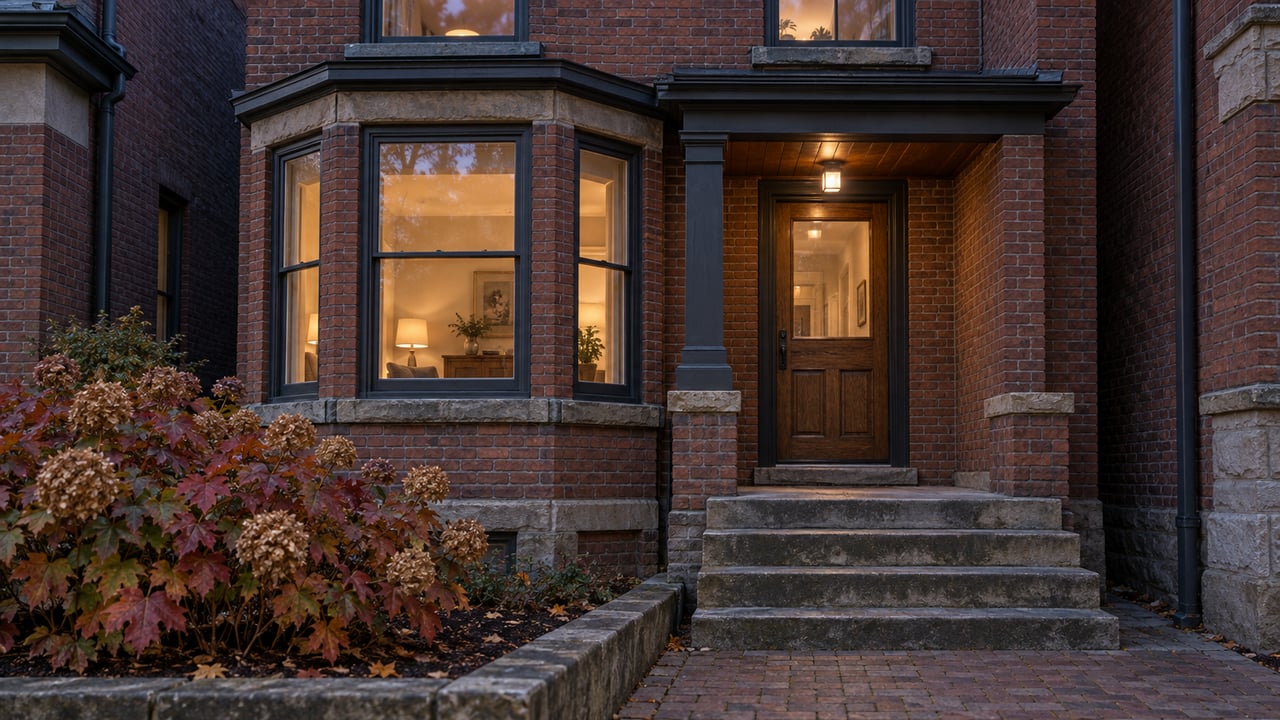
City material describing Annex houses points to a recognizable mix of Richardsonian Romanesque and Queen Anne influences, including asymmetrical rooflines, gables, dormers, chimneys, rusticated stone, red brick, clay, and wood detailing. Recent City designation material for 262-264 St. George Street and the West Annex guidance both reinforce how much streetscape consistency matters, especially in setback, height, eaves line, and materials.
Confirm Permits Before Design Work
A common mistake is assuming heritage review only applies to dramatic exterior changes. In reality, if your home sits in an HCD, exterior alterations are typically submitted through Toronto Building, where Heritage Planning reviews the proposal.
According to the City’s Heritage Permit Guide, an application may need recent photographs, a location plan, drawings, specifications, and a written property description. Depending on the project, you may also need a condition assessment, heritage impact assessment, structural assessment, conservation plan, or construction management plan.
You should also remember that a heritage permit and a building permit are not the same thing. Toronto’s building permit guidance notes that additions, structural alterations, new or relocated windows or doors, added or removed walls, and enclosed porches often require a building permit, even if the heritage side seems straightforward.
Use A Repair-First Mindset
For many Annex homes, the most successful renovations begin with conservation rather than replacement. City guidance consistently favors repairing original materials where possible, especially on visible exterior elements.
That approach often produces a better long-term result. It also helps preserve the details that make an Annex home feel authentic, from masonry texture to window proportions to porch detailing. If you are planning visible work, it is wise to evaluate what can be stabilized, repaired, or selectively restored before choosing full replacement.
Protect Original Windows And Doors
Windows are one of the clearest character-defining features in many Annex houses. The West Annex conservation guidance notes that Annex Style and Edwardian homes often include tall one-over-one double-hung sash windows, sometimes with subdivided upper sash or leading, and that these systems can often be repaired more effectively and with longer service life than modern replacements.
Where replacement is necessary, the City expects the new windows to match the original size, proportion, division, material, and location. The same guidance states that vinyl and aluminum windows are not permitted in the district, and modern metal doors are not permitted in regulated areas, according to the West Annex Phase I HCD plan.
Treat Porches And Rooflines Carefully
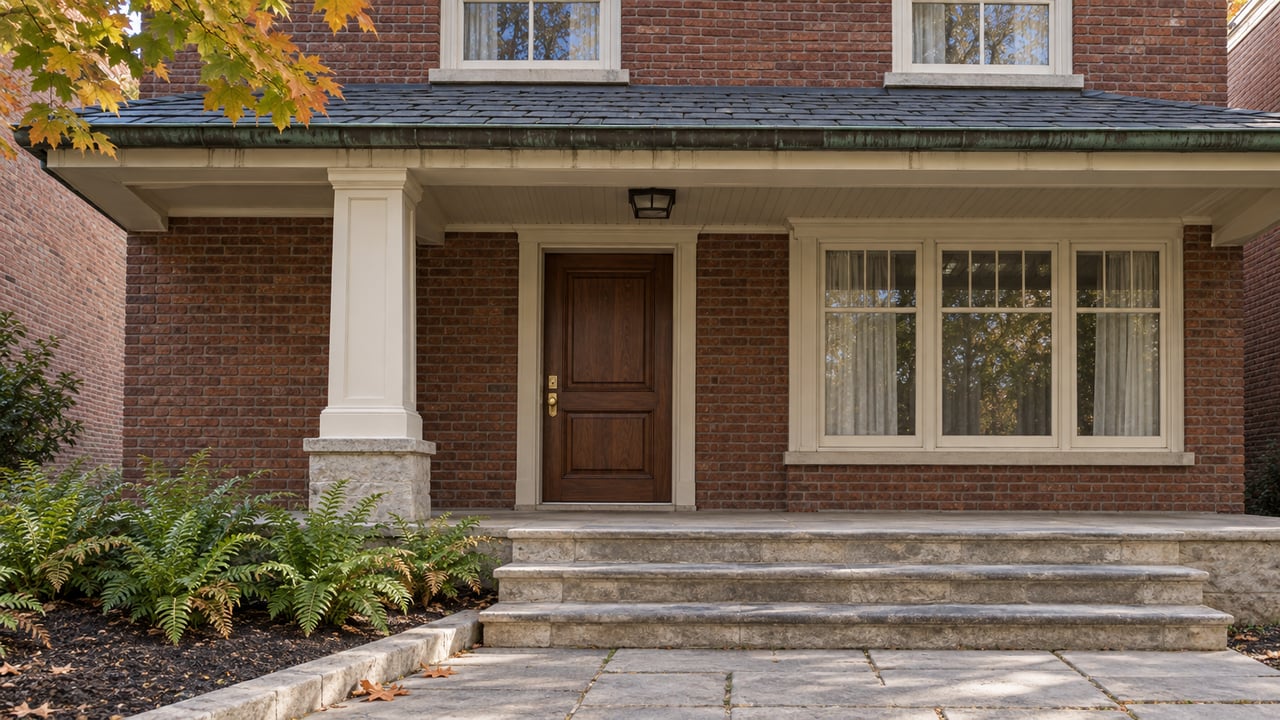
In The Annex, porches do more than add charm. They are a major part of the streetscape, and City guidance emphasizes that they should not be removed and should remain open.
Rooflines deserve the same care. Historic slate should be retained where present, and roof changes should respect the original silhouette of the house. The City also recommends maintaining gutters and eavestroughs and routing rainwater leaders to the sides of buildings, a practical detail that can help protect masonry and reduce long-term moisture issues in older homes.
Be Conservative With Masonry
Older brick and stone need thoughtful treatment. The City’s conservation guidance recommends matching original mortar formulas, avoiding modern coatings, and steering clear of cement applied over stonework.
Replacement brick should be used only where necessary and should be compatible with the original material. The same City guidance says that concrete block, modern brick, false stone, aluminum siding, and vinyl siding are not permitted in regulated areas, which makes early material selection especially important if your design team is preparing exterior drawings.
Plan Additions To Stay Subordinate
Many Annex owners want more living space, but additions need to be carefully composed. City guidance supports additions that remain visually subordinate to the original building rather than overpowering it.
As a rule, rear additions should stay below the main roof ridge as seen from the public sidewalk. The City also looks for compatibility in materials, openings, scale, and proportion, while avoiding a false historical imitation. In other words, the addition should respect the original house without pretending to be older than it is.
Sequence The Work In The Right Order
A confident renovation usually begins with diagnosis, not demolition. If your house has water intrusion, masonry deterioration, roof failure, or structural movement, those issues should come first.
The City’s permit guidance supports early assessments when deterioration is part of the project rationale. In practical terms, most homeowners benefit from following this order:
- Confirm heritage status and permit requirements.
- Document existing conditions with photos and drawings.
- Address drainage, roof, masonry, and structural concerns.
- Upgrade key systems and code-related items.
- Finalize exterior design changes that must pass heritage review.
- Move into cosmetic and interior refinements.
This sequence can reduce redesigns and helps ensure visible changes remain aligned with heritage expectations.
Look Into Heritage Grant Support
If your property is designated under Part IV or Part V, you may have access to financial support for eligible conservation work. Toronto’s Heritage Grant Program provides matching grants for qualifying work, including masonry, windows, doors, wood detailing, and slate roofs.
That can be meaningful for larger restoration projects. The program also supports certain technical studies tied to eligible conservation work, and slate roof restoration may qualify for up to 50 percent of costs to a maximum of $20,000.
Focus On Street-Facing Character
If you are trying to decide where to invest most carefully, start with the features the public sees first. In The Annex, the street-facing character of the home often carries the greatest heritage weight.
That does not mean you cannot modernize the house. It means the best results usually come from preserving the recognizable exterior qualities of an Annex home while making discreet upgrades to structure, systems, and functionality behind the scenes.
Renovate With Clarity, Then Plan For Value
A well-executed heritage renovation can do more than improve daily living. It can also strengthen how your home presents to future buyers who value architectural integrity, thoughtful updates, and a house that feels true to its setting.
If you are considering renovations before a future sale, or weighing how to position a heritage property for the market, Kate Carcone can help you think through the opportunity with a calm, strategic lens.
FAQs
What should you check first before renovating an Annex heritage home?
- Start by confirming whether the property is listed, designated, or located in a Heritage Conservation District using the City of Toronto’s Heritage Property Search tool.
Do Annex heritage homes always need a heritage permit for renovations?
- Not always, but exterior alterations or demolition in a Heritage Conservation District typically go through heritage review, and some projects may also need a separate building permit.
Can you replace original windows in an Annex heritage home?
- You may be able to, but City guidance strongly favors repair first, and any replacement should match the original size, proportions, material, division, and location.
Are rear additions allowed on Annex heritage properties?
- Yes, in many cases, but they should remain visually subordinate to the original house and be compatible in material, scale, openings, and overall proportion.
Is there funding available for Annex heritage home restoration?
- If the property is designated under Part IV or Part V, Toronto’s Heritage Grant Program may offer matching grants for eligible conservation work such as masonry, windows, doors, wood detailing, and slate roofs.