Thinking about selling your Rosedale home but not sure when to list? Timing matters, especially when your property’s value rests on architecture, gardens, and a discerning buyer pool. You want the right season, the right presentation, and the right audience. In this guide, you’ll learn how seasonality, school and garden timing, interest rates, and taxes shape your best window to sell, plus a practical 6–12 week launch plan that gets results. Let’s dive in.
What “luxury” means in Rosedale
Rosedale’s luxury market centers on character homes, mature gardens, and coveted streets near ravines and parks. In Toronto, the luxury threshold often sits in the multi‑million range, and many Rosedale sales exceed that mark. For sellers, think in terms of the top tier of neighborhood sales and expectations that come with it: editorial‑quality marketing, polished staging, and controlled showings.
Seasonality and your market window
Across the GTA, activity usually rises in spring, dips in summer, and enjoys a shorter fall bump before slowing in winter. TRREB’s market updates routinely show stronger buyer engagement from March through May. Winter is typically quiet, while fall concentrates motivated buyers into a shorter window. Luxury behaves a bit differently because volumes are lower and buyers are more deliberate. For high‑end homes, the quality and timing of your exposure often matter more than squeezing for a one‑week seasonal edge.
School and garden timing
Families are a key Rosedale buyer segment. Many aim to buy in spring so they can close and move over summer. Align your plan to the Toronto District School Board calendar to target a July or August closing when possible. If school alignment is central to your buyer profile, an early spring launch positions you well.
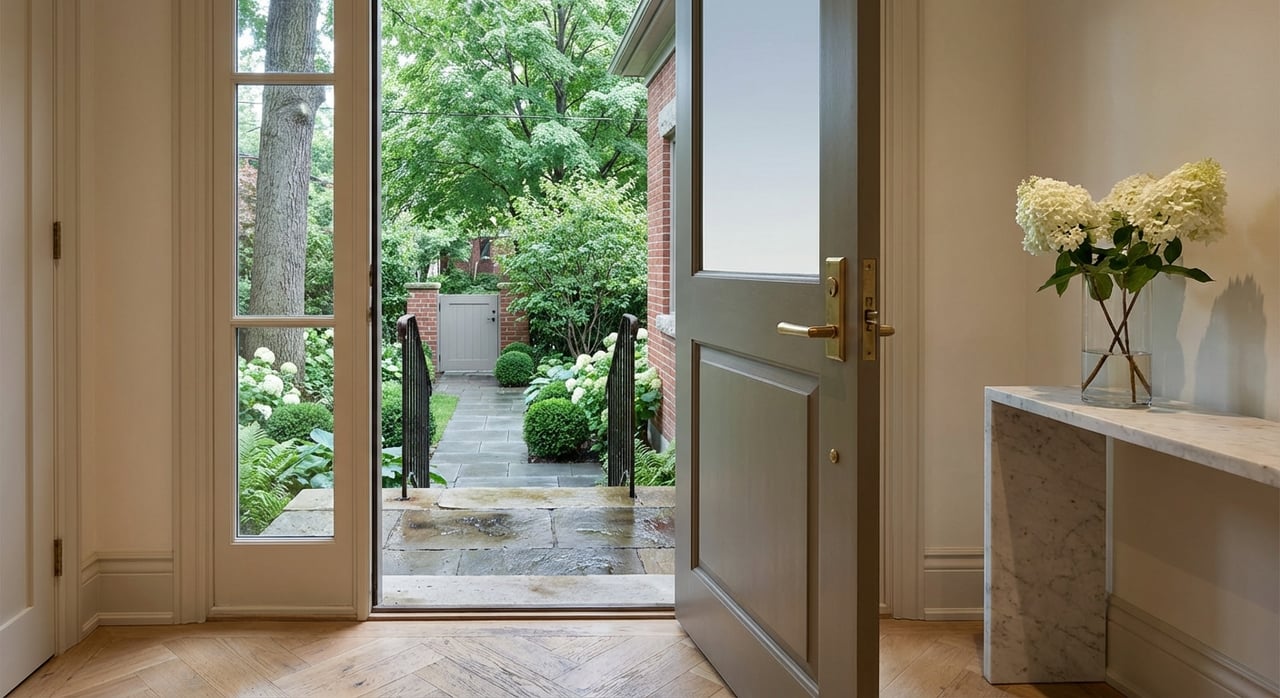
Gardens and outdoor rooms are also major value drivers in Rosedale. Toronto’s typical last frost arrives in early May, and many gardeners treat late May as a safe benchmark for plantings. If your property shines outside, plan a late spring or early summer launch so photos and showings hit when lawns, trees, and beds are at their best. Local gardening guides for Toronto reinforce this schedule; see the planting calendar for M5H for timing cues.
Rates, taxes, and buyer pool
- Interest rates. Mortgage costs shape confidence and buyer reach. The Bank of Canada’s policy rate was set at 2.25 percent on January 28, 2026. When rates ease, qualification expands and activity often improves. Keep an eye on Bank of Canada policy updates as you set timing.
- Municipal Land Transfer Tax. Toronto’s MLTT applies progressive brackets, with higher marginal rates above 3 million dollars. This can influence buyer sensitivity around pricing. Review City of Toronto MLTT rates as you plan.
- Foreign‑buyer rules. Canada’s federal prohibition on most purchases by non‑Canadians runs through January 1, 2027. Combined with provincial and municipal measures, this narrows international demand for single‑family homes in Toronto. That places more emphasis on domestic high‑net‑worth networks and relocation channels. For context, see the federal summary on recent housing measures.
Choose your selling window
- Spring. Highest traffic and the broadest buyer pool, including families planning a summer move. Competition is also higher, so presentation must be turnkey. TRREB’s reporting supports this seasonal lift in activity. Consider launching in March or April for a July or August close. Refer to TRREB’s Market Watch overview for broad patterns.
- Summer. Fewer buyers due to vacations, but gardens are in peak form. If your outdoor spaces are a showpiece, a June or July launch can create standout visuals and memorable twilight showings. Toronto planting calendars, like the Almanac’s guide, can help you schedule photos.
- Fall. A shorter, focused window with motivated buyers and less competition than spring. Well‑staged listings that missed spring can perform here if pricing and marketing are on point.
- Winter. Lowest foot traffic and short days. It can work for rare, design‑forward properties where scarcity and privacy are part of the appeal, but it is usually not ideal for garden‑led listings.
A 6–12 week launch plan
Use this sequencing to control quality and timing. Compress to 3–6 weeks if your timeline is tight.
Weeks 10–12: Inspection and planning
- Pre‑listing inspection and quotes for repairs.
- Select a stager and define a room‑by‑room plan. Staging helps buyers visualize and often reduces days on market. See the NAR’s staging research for the impact.
- Landscaping plan for peak curb appeal, including pruning, mulching, and turf repair keyed to local bloom times referenced in the Toronto planting calendar.
Weeks 6–8: Creative and pre‑marketing
- Execute repairs and staging. Book photography, video, floor plans, and drone.
- Build a single‑property microsite, cinematic video cut, and print lookbook. Many luxury playbooks support a phased rollout that includes private previews before public launch; see examples of luxury marketing components in this campaign overview.
- Prepare PR angles and buyer‑agent outreach lists.
Weeks 2–4: Quiet previews and launch prep
- Private broker previews and selective outreach to qualified, domestic high‑net‑worth networks.
- Finalize media, ad copy, and targeting.
- Decide on open house strategy. Luxury buyers often prefer private showings; one controlled public open can add energy if appropriate.
Launch week: Go live with intent
- Activate MLS, microsite, photography, and video.
- Send targeted email to buyer‑agent lists and run paid digital ads.
- Use twilight and garden features prominently in visuals.
Weeks 1–4 post‑launch: Showings and adjustments
- Prioritize private, qualified appointments.
- Track page views, video watch time, showing counts, and inquiries. Luxury programs recommend weekly reporting and a 30‑day review; adjust price or presentation if traction lags. See a sample emphasis on measurement in this marketing playbook.
Privacy option: Pocket listings
- Off‑market or office‑exclusive listings can preserve privacy but often reduce competitive tension. Understand the tradeoff before choosing this path. For a balanced view, read this analysis of pocket‑listing pros and cons.
Pricing and negotiation notes
Set pricing with precision. In the luxury tier, a mispriced home can linger and erode perceived value. Build room for strategic negotiation, not broad discounting. Pair accurate pricing with editorial‑caliber marketing and disciplined show management to protect momentum and net proceeds.
Case example: Spring list, summer close
Goal: Reach family buyers and showcase gardens at peak.
- Mid‑February: Inspection, repair quotes, stager selection, garden plan.
- March: Staging and light renovations. Produce photography, video, floor plans, and microsite.
- Early April: Quiet previews to qualified buyers and top broker networks.
- Mid‑April: Public launch with full media kit and targeted digital ads. Focus on private showings, plus one elegant broker open.
- Late April–May: Negotiate offers with a July or August closing that aligns with the TDSB calendar.
When winter can work
Winter is a niche window. It can suit highly distinctive, architect‑led properties where scarcity and privacy outweigh lawn and light. If your home’s value is driven more by interior design, lot size, or location than by gardens, a winter launch may let you stand out with fewer competing listings. We still recommend top‑tier imagery and a strong private‑showing strategy to create urgency.
The bottom line
Your optimal timing blends three things: who your buyer is, how your property shows best, and where rates and taxes sit. For most Rosedale sellers, spring offers the broadest pool and a clean path to a summer close. If gardens lead the story, late spring or early summer can be ideal. Whatever the season, a disciplined 6–12 week prep and a polished launch are what move the needle.
Ready to map your timing and creative plan to today’s market? Connect for a confidential consultation, a custom timeline, and a marketing strategy built to maximize your net proceeds with global distribution through KW Luxury. Reach out to Kate Carcone to start the conversation.
FAQs
What is the best month to list a luxury Rosedale home?
- Spring typically sees the most buyer activity in the GTA, with March through May often performing well, while fall offers a shorter second window. See TRREB’s seasonal patterns.
How do school calendars affect my timing?
- Many family buyers aim to close in July or August to move before September. Align your plan with the TDSB school calendar.
When will my gardens photograph best?
- Late spring into summer, after Toronto’s typical last frost in early May, delivers peak curb appeal. Use the Toronto planting calendar to schedule photos and showings.
Do interest rates change the best time to sell?
- Yes. Lower rates generally expand the buyer pool and improve confidence. Monitor Bank of Canada announcements as you set timing.
How do Toronto’s land transfer tax brackets impact pricing?
- Higher MLTT brackets above 3 million dollars can affect buyer sensitivity. Factor the City of Toronto MLTT rates into your pricing strategy.
Should I consider a pocket listing for privacy?
- Only if privacy outweighs price. Off‑market exposure can reduce competition and the chance of a top‑of‑market result. Review this overview of pocket‑listing tradeoffs.