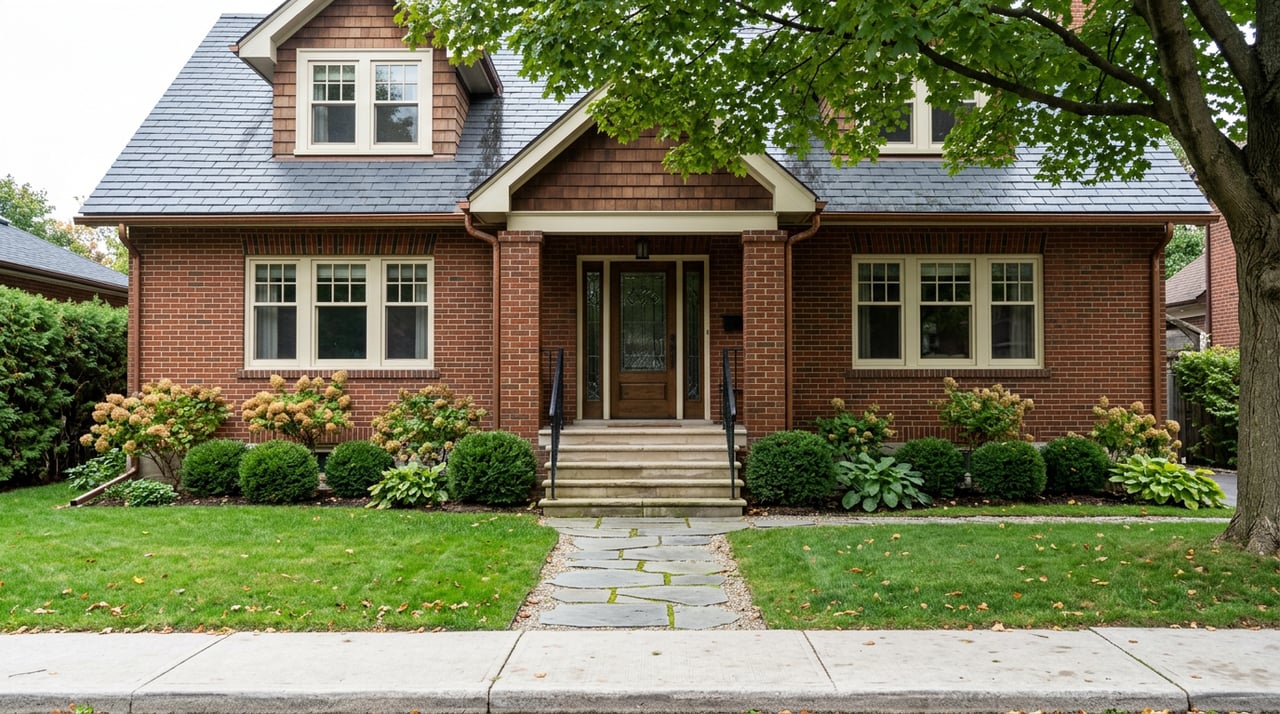
Choosing between Forest Hill and Rosedale can feel like deciding between two great vintages. Both are prestigious, leafy, and central. Yet each offers a distinct rhythm of daily life, architecture, and long‑term ownership experience. If you want clarity on lifestyle fit, renovation realities, school access, and where values sit in early 2026, this guide is for you. Let’s dive in.
Quick take: how they differ
- Rosedale prizes protected heritage, ravine privacy, and winding, low‑traffic streets that feel secluded within the city. Many buyers choose it for large, park‑like lots and its established garden‑suburb character. You trade some renovation flexibility for that historic continuity.
- Forest Hill leans into architect‑designed tradition and newer rebuilds, plus a compact village shopping strip and convenient transit at St. Clair West. Many buyers choose it for school access and the option to create large contemporary homes on substantial lots.
Both neighborhoods sit among Toronto’s most premium midtown enclaves. Your best fit depends on how you rank heritage versus flexibility, ravine calm versus village energy, and which schools or commute patterns matter most to you.
Streetscape and lifestyle
Rosedale’s ravines and quiet streets
Rosedale is defined by its ravine system and gently curving streets, which create a lush canopy and notably calm traffic patterns for such a central location. You get a garden‑suburb feel with easy access to parks and community life at Rosedale Park. The area’s character and streetscapes are a key draw for long‑term owners who value privacy and mature landscaping. For a sense of place and amenities, explore the overview of Rosedale–Moore Park and its green corridors on the neighborhood guide at StrollTO.
Forest Hill’s village energy and connectivity
Forest Hill’s core housing stock is brick and stone from the 1920s and 1930s, alongside a rising number of large neo‑traditional and modern rebuilds. The neighborhood centers on a compact village strip and a well‑used school precinct, with convenient subway and streetcar access at St. Clair West station. The result is a walkable daily routine for errands and coffee runs, plus strong connectivity to the rest of the city. Learn more about the area’s architectural origins in the Forest Hill overview.
Architecture, lots, and renovation paths
Rosedale: protected heritage and planning time
Rosedale’s housing stock includes Victorian, Edwardian, Georgian, and Tudor Revival styles. Many properties in North and South Rosedale fall within formal Heritage Conservation Districts. If you plan visible exterior changes, expect a heritage permit process and community review that can affect both design scope and timing. This is part of what keeps Rosedale’s streetscapes so intact and admired. You can review the local framework and permitting notes through the North Rosedale heritage resource.
What this means for you:
- If you value historic integrity and established gardens, you will likely appreciate Rosedale’s protections.
- If your goal is a major exterior transformation on a short timeline, plan early consultations and budget time for approvals.
Forest Hill: room for large new builds
Forest Hill retains many original 1920s to 1930s houses and has also seen a steady flow of tear‑downs and significant rebuilds. Typical lot patterns are generous for an inner‑city address, commonly in the range that supports large modern homes with extensive amenities. Buyers who want to design a contemporary residence often find Forest Hill more feasible for substantial changes, subject to zoning and consultation. The neighborhood’s architectural roots and evolution are outlined in the Forest Hill profile.
What this means for you:
- If you want a large, newly built home with modern flow, Forest Hill offers more examples and momentum in that direction.
- If you prefer to renovate lightly within a historically consistent setting, you can still find opportunities, but many buyers here lean toward big programs on big lots.
Schools and daily life
Forest Hill: established public and private access
Forest Hill is closely associated with its public pathway and nearby private schools. The local secondary school, Forest Hill Collegiate Institute, is a well‑established option, and the area sits close to several major independent schools. This cluster of education choices drives a meaningful share of family demand. Always confirm boundaries and policies directly with the TDSB.
Rosedale: green space and central private‑school proximity
Rosedale offers access to respected public elementary options and proximity to several midtown private schools located in nearby corridors. Families often cite ravine‑rich green space and community institutions as part of the neighborhood’s appeal. As with any midtown address, verify the exact public school catchment and any optional‑attendance rules with the board. You can review current guidance on out‑of‑area rules through the TDSB’s optional attendance page.
Market signals in early 2026
The GTA backdrop
The Greater Toronto Area entered 2026 with elevated inventory compared to the 2021 to 2024 peak. TRREB’s January summary pointed to softer sales, downward pressure on the MLS HPI, and an average selling price of about $973,000, with expectations for relative stability as the year progresses. Luxury enclaves like Rosedale and Forest Hill typically follow the same pattern with slower volume and selective high‑end activity. For context, see the public summary of the 2026 outlook and January figures on GlobeNewswire.
Price snapshots and timing
Neighborhood trackers use different windows and mixes, so treat these as directional ranges and confirm with an on‑the‑ground CMA for a specific address.
- Rosedale–Moore Park: In an 8‑week window ending in early February 2026, Zolo reported an average in the low millions, around $2.1 million for that sample. Remember that short windows can be skewed by property type mixes and small sample sizes. Review the current trend view on Zolo’s Rosedale–Moore Park page.
- Forest Hill: Aggregators indicate a spread between Forest Hill South and North. Recent snapshots from HonestDoor showed Forest Hill South averaging in the mid to high single millions, with Forest Hill North nearer the high two to low three million range. You can review the methodology and current figures on HonestDoor’s Forest Hill South page.
Days on market have generally stretched into multi‑week timelines, with trackers showing many properties in the 20 to 60 day range recently. Elevated inventory gives you more negotiating leverage than during the pandemic‑era peak, though truly exceptional homes can still command premium terms.
Ultra‑luxury still trades
Even as overall volume has cooled, top‑tier properties in both neighborhoods continue to transact. Independent rankings listed both Rosedale and Forest Hill among the GTA’s largest residential resales in 2025, including eight‑figure closings. That confirms active depth at the very top when the property is rare and well presented. See a summary of 2025’s leading sales in this industry roundup.
Which fits your priorities?
Choose Rosedale if you value
- Heritage streetscapes and a protected architectural fabric.
- Ravine‑edge walking, mature trees, and quieter winding streets.
- Large, park‑like lots where privacy and green views matter most.
- A long‑term ownership mindset that accepts permit processes for visible exterior changes.
Choose Forest Hill if you value
- Immediate public school access and proximity to established private schools.
- A compact village retail strip and easy subway and streetcar connections at St. Clair West.
- Substantial lots that support large, modern builds or major additions.
- A streetscape that blends original architecture with high‑caliber new homes.
Decision checklist for serious buyers
Use this quick list to move from research to decision.
- Validate the comps: Ask your agent for an MLS‑based CMA for the exact street and property type. Treat neighborhood trackers as context, not valuation.
- Understand the rules: In Rosedale, confirm if the home sits within the North or South HCD and what triggers a heritage permit. In Forest Hill, review zoning and recent Committee of Adjustment outcomes if you plan a major build. The North Rosedale HCD resource is a useful starting point.
- Confirm schools by address: Boundaries and policies change. Review TDSB guidance and contact schools directly. Start with the Forest Hill Collegiate page and the TDSB’s optional attendance guidance.
- Visit multiple times: Tour at different hours to feel traffic patterns, retail rhythms, and the soundscape around parks, schools, and transit.
- Weigh timeline and costs: Heritage permits, large rebuilds, and complex landscaping each add time and budget. Build these into your plan.
- Track the macro: Monitor the GTA’s inventory and rate sentiment. TRREB’s 2026 outlook suggests a more balanced environment where patient buyers can negotiate. See the public summary via GlobeNewswire.
How we can help you choose well
Both neighborhoods reward careful selection and thoughtful preparation. If you are weighing heritage charm against rebuild flexibility, school logistics against village convenience, or timeline against budget, you deserve advice that is local, discreet, and strategic. From clarifying priorities to securing the right terms in a nuanced market, you can move forward with confidence.
If you are ready to explore on the ground, connect with Kate Carcone for a private conversation.
FAQs
What is the main difference between Rosedale and Forest Hill in Toronto?
- Rosedale emphasizes protected heritage and ravine privacy, while Forest Hill blends original homes with many large rebuilds and offers a compact village and strong transit access.
How do Rosedale’s heritage rules affect a renovation or addition?
- Many homes sit in Heritage Conservation Districts where visible exterior changes need permits and review, so plan early and budget time for approvals using the local heritage resource.
How does school access shape demand in Forest Hill and Rosedale?
- Forest Hill’s demand is closely tied to local public options like Forest Hill Collegiate and nearby private schools, while Rosedale offers respected public options and proximity to midtown private schools; always confirm catchments with TDSB.
What are current price signals for early 2026 in these neighborhoods?
- Trackers show Rosedale–Moore Park averaging around the low millions in a recent 8‑week window and Forest Hill South higher in the mid to high single millions, with longer days on market and more room to negotiate.
Is ultra‑luxury still selling in Rosedale and Forest Hill?
- Yes. Industry roundups list both areas among 2025’s largest GTA resales, including eight‑figure closings, indicating continued activity at the top of the market when product is rare and well presented.
How should I verify a specific home’s value in either neighborhood?
- Request an MLS‑based CMA for that street and property type, confirm school boundaries by address with TDSB, and account for heritage or zoning rules that affect renovation scope and cost.