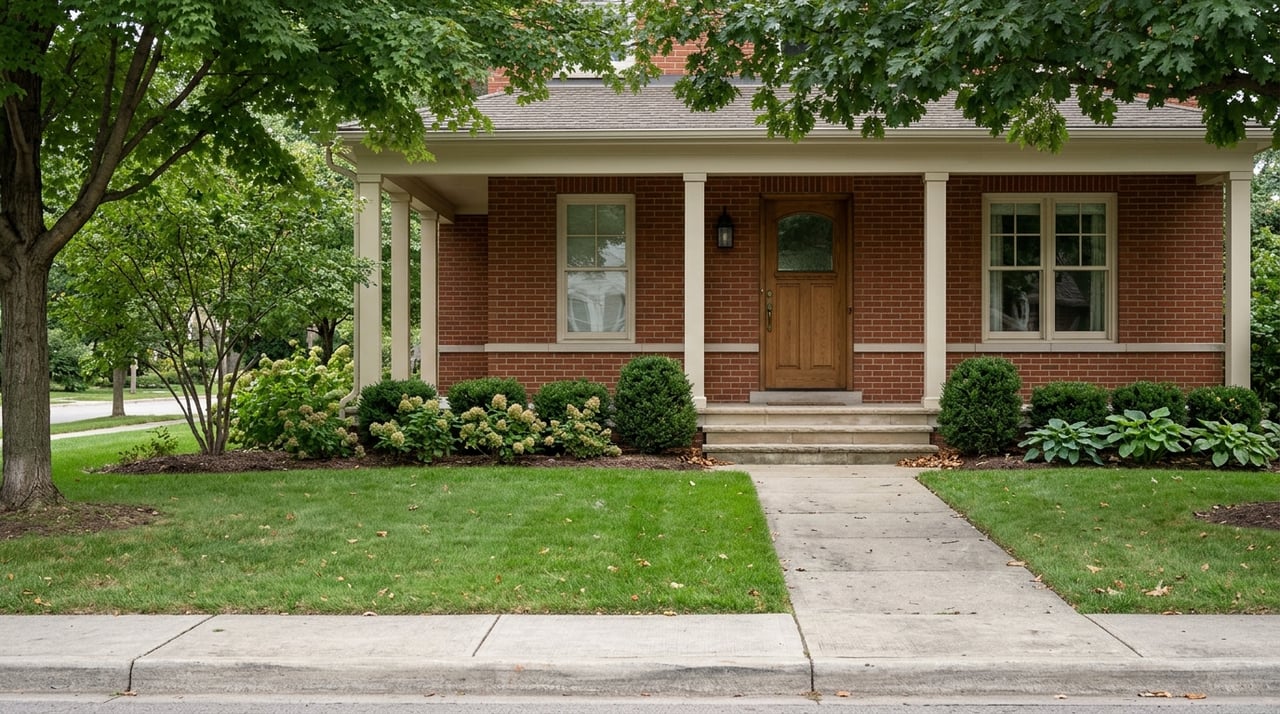
If you are drawn to neighbourhoods that feel established, green, and quietly elegant, Moore Park tends to stand out right away. It offers a rare mix of classic architecture, mature landscape, and a residential setting that still connects well to the rest of midtown Toronto. Whether you are exploring the area as a buyer or thinking about the long-term appeal of a home you already own, understanding what shapes Moore Park can help you make smarter decisions. Let’s take a closer look.
Moore Park’s Lasting Identity
Moore Park is an early-20th-century residential enclave in midtown Toronto with roots that reach back to a 200-acre survey from 1793. City records also trace its evolution through an 1884 subdivision plan and the vision of John Thomas Moore, who imagined an elegant, park-like suburb. The neighbourhood was annexed to Toronto in 1913 and was substantially built out by the 1930s.
That history still shows in the area today. Moore Park feels distinct because its identity is tied not only to its homes, but also to the landscape around them. City planning material identifies Mount Pleasant Cemetery to the north, the Moore Park Ravine to the east, the Vale of Avoca Ravine to the west, and railway lands to the south.
Leafy Streets With A Green Backdrop
The neighbourhood’s leafy reputation is closely linked to those surrounding natural features. In Moore Park, the sense of greenery comes from more than private front gardens and mature street trees. It is reinforced by ravines, trails, and open grounds that shape the edges of the area.
Mount Pleasant Cemetery is one of the most important landscape features here. Parks Canada identifies it as an 83-hectare National Historic Site that opened in 1876 and was designed as an informal, naturalistic environment with winding paths, mature trees, ornamental flowers, and broad views. Its park-like setting contributes to the calm, spacious character many people notice when they spend time nearby.
The ravine network adds another layer to daily life. The City notes that the Beltline Trail follows Mud Creek in Moore Park Ravine for a nine-kilometre route, while Toronto’s Ravine Strategy describes ravines as ecological assets that support recreation, biodiversity, and access to nature. In practical terms, that means Moore Park offers a residential setting with strong visual and physical ties to green space.
Classic Homes Define The Streetscape
Moore Park is widely associated with large detached homes from the early 1900s. The City’s planning descriptions identify English Cottage, Georgian, and Tudor Revival houses built between 1908 and 1930 as defining parts of the neighbourhood’s housing stock. Earlier City material also notes Dutch Colonial Revival among the styles found here.
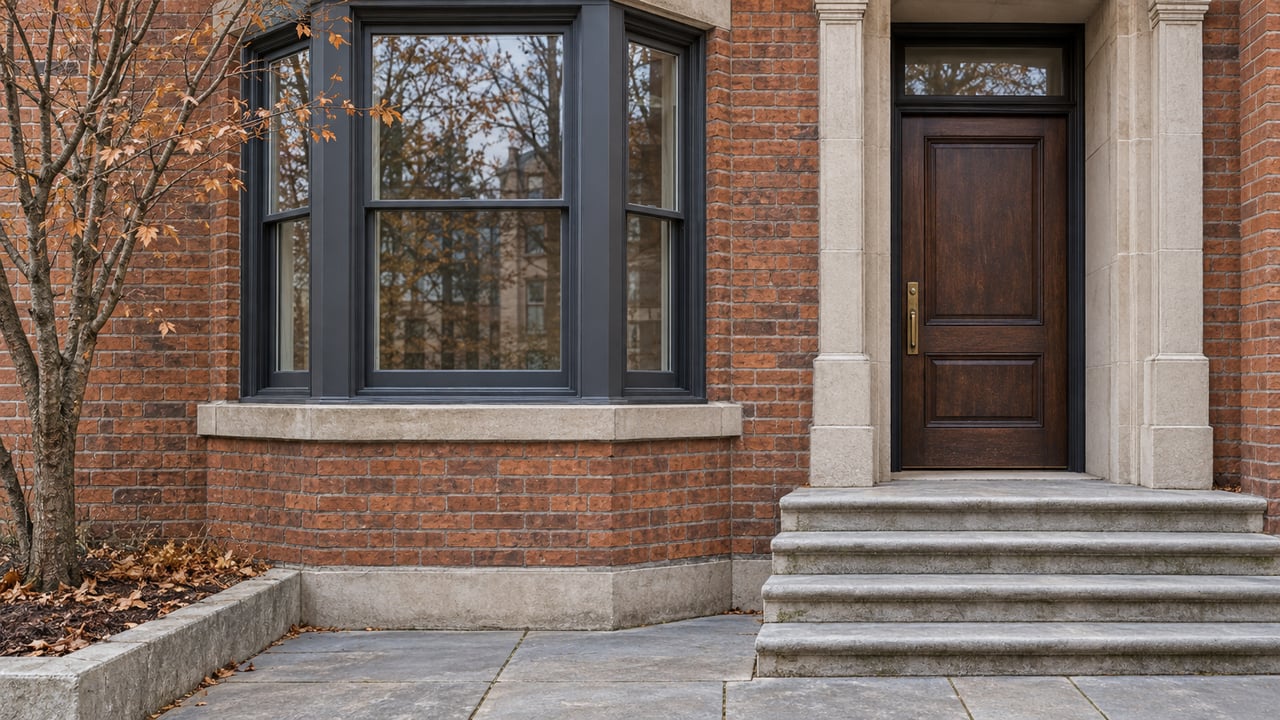
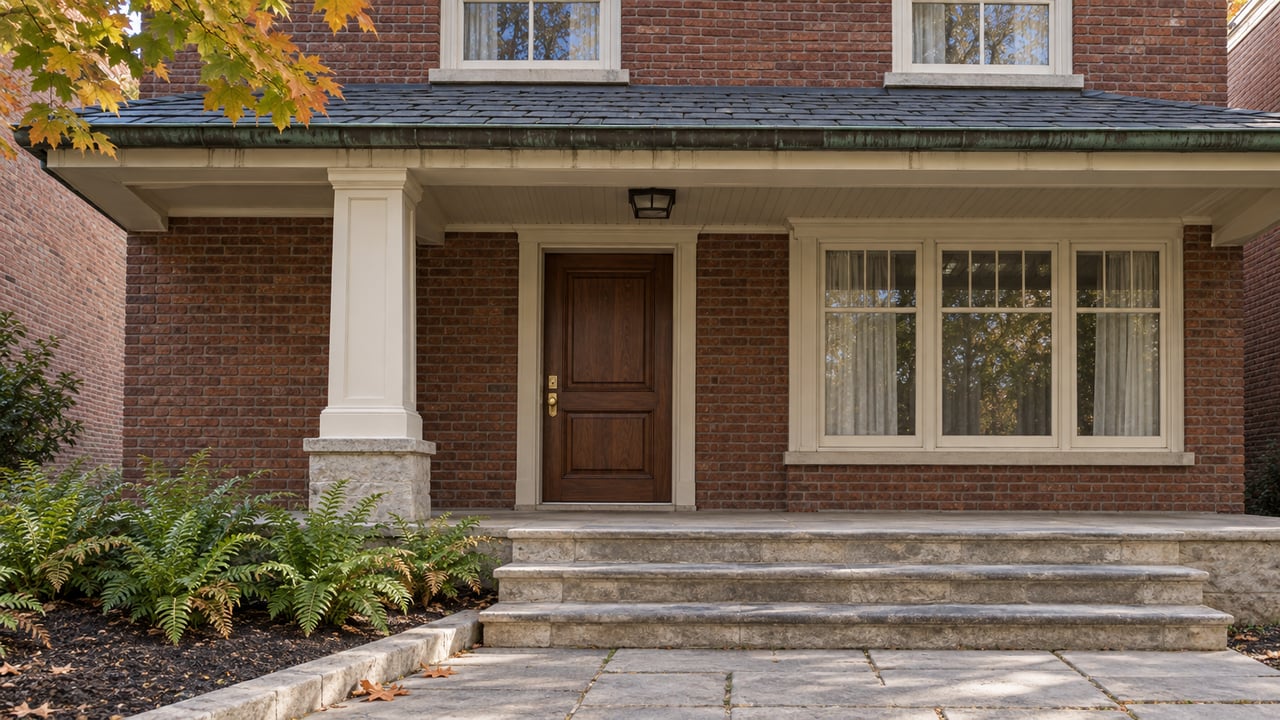
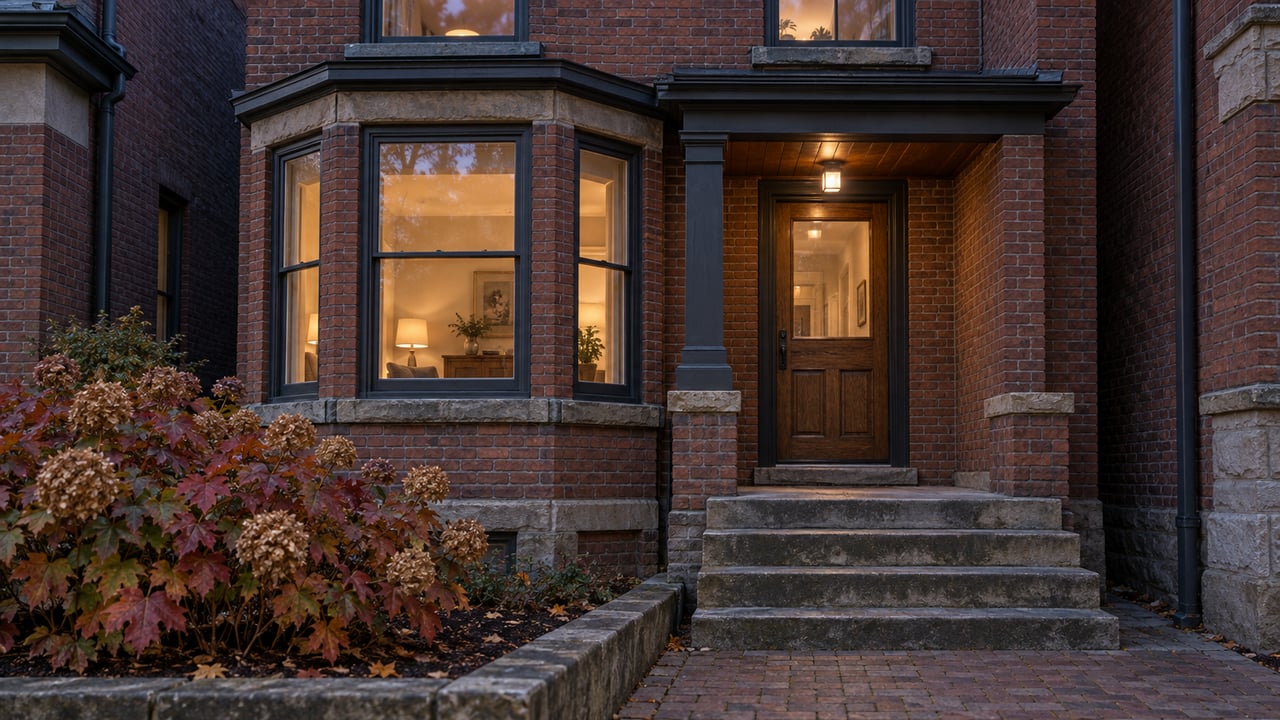
These homes reflect the original developer’s design guidelines and give many streets a cohesive architectural feel. You will often see steep rooflines, brick and stone detailing, traditional proportions, and houses that sit comfortably within generous lots. For buyers who value character, that architectural consistency is a major part of Moore Park’s appeal.
Generous Lots And Evolving Homes
Moore Park began as a single-detached executive neighbourhood, and its lot patterns still support that impression. A recent City appeal decision describes the street layout as a modified grid with curving sections shaped by the ravines. It also notes that lot frontages are often about 12 to 18 metres, or roughly 39 to 60 feet, with some larger parcels along ravine edges.
That spacing matters because it affects how the streets feel. Homes generally have breathing room, and lot shapes can become deeper or more irregular where the topography changes. This contributes to the area’s sense of privacy and visual variety.
At the same time, Moore Park is not a neighbourhood frozen in one era. City material and appeal records show that later additions and replacement homes have introduced a more eclectic mix of forms and custom architecture. You will still find century homes, but you may also see newer reinvestment that reflects changing tastes and modern living needs.
Preservation Matters Here
For anyone considering a purchase or future improvements, it is helpful to know that Moore Park is considered a preservation-sensitive area. The City lists Moore Park among potential heritage conservation districts. That does not make every property identical, but it does signal that neighbourhood character matters in planning discussions.
This is one reason the area can feel especially stable over time. Buyers are often drawn to places where the public realm, lot rhythm, and architectural language have lasting value. Sellers also benefit when a neighbourhood’s identity is clear and well understood in the market.
Everyday Life In Moore Park
Moore Park is primarily residential, so its appeal is less about an internal retail strip and more about its connection to nearby midtown corridors. Based on City and TTC sources, everyday life here is closely tied to surrounding routes and nearby amenities along St. Clair Avenue East, Yonge Street, and Mount Pleasant Road. That balance can be attractive if you want a quieter home setting without feeling cut off.
Transit is a practical strength. TTC’s St Clair Station information lists surface connections including the 74 Mount Pleasant, 88 South Leaside, 97 Yonge, 312 St Clair-Junction Night Bus, and 320 Yonge routes. The 74 Mount Pleasant operates between St Clair Station and Doncliffe Drive, while the 97 Yonge includes service in the area, including a stop at Moore Park Ave at Yonge St West Side.
For many buyers, that means Moore Park offers a residential atmosphere with reliable links to the broader midtown transit network. It is a useful combination if you value both a calm streetscape and accessible city connections.
Why Buyers Look Closely At Moore Park
Moore Park often appeals to buyers who want more than square footage alone. The neighbourhood offers a combination of established architecture, generous lots, green surroundings, and a strong sense of place. Those qualities can be hard to replicate in areas where redevelopment has been more intense or lot patterns are tighter.
For some, the draw is the chance to own a classic house with enduring architectural details. For others, it is the landscape itself, with ravines and park-like surroundings shaping the day-to-day experience of living there. In both cases, Moore Park stands out because the homes and the setting work together.
What Sellers Should Understand
If you own in Moore Park, your home is likely part of a market where presentation, context, and positioning matter. Buyers in this segment tend to look closely at architectural style, lot characteristics, updates, and how a property fits within the neighbourhood’s broader identity. A home here is rarely just compared on room count alone.
That is especially true in an area with both original houses and newer custom residences. A thoughtful sales strategy should highlight not only the property itself, but also the reasons Moore Park continues to hold attention in Toronto’s premium midtown market. For legacy homes in particular, clear storytelling and polished presentation can help buyers appreciate the full value of what they are seeing.
If you are considering a move in Moore Park, working with a brokerage that understands how to present distinctive homes with care can make a meaningful difference. Kate Carcone offers a discreet, marketing-first approach tailored to Toronto’s premier neighbourhoods, with the polished strategy and local perspective that properties like these deserve.
FAQs
What kind of homes are common in Moore Park?
- Moore Park is known for large detached homes, especially English Cottage, Georgian, and Tudor Revival houses built between 1908 and 1930, with some Dutch Colonial Revival styles also noted by the City.
Why does Moore Park feel so green?
- The neighbourhood is shaped by major landscape features including Mount Pleasant Cemetery, the Moore Park Ravine, and the Vale of Avoca Ravine, which reinforce its leafy and park-like setting.
Are Moore Park lots generally large?
- City appeal records describe many lots as having frontages of about 12 to 18 metres, or roughly 39 to 60 feet, with some larger ravine-edge parcels.
Is Moore Park only made up of older homes?
- No. While many century homes remain, the streetscape also includes later additions and replacement homes, creating a more eclectic mix of original and newer custom architecture.
How do you get around from Moore Park?
- TTC service in and around the area includes access through St Clair Station connections and routes such as the 74 Mount Pleasant and 97 Yonge, linking Moore Park to the broader midtown transit network.
Why do buyers pay attention to Moore Park in Toronto?
- Buyers are often drawn to Moore Park for its combination of classic architecture, generous lots, ravine setting, and strong neighbourhood identity within midtown Toronto.