What does everyday luxury actually look like in Toronto? In Forest Hill Village, it often looks less like spectacle and more like ease: a morning coffee on Spadina Road, a quick stop for essentials, a walk through nearby parkland, and a streetscape that feels composed rather than chaotic. If you are drawn to neighbourhoods where beauty and practicality meet, this pocket of midtown offers a lifestyle worth understanding. Let’s take a closer look.
Why Forest Hill Village Feels Different
Forest Hill Village is the historic mixed-use corridor that shapes daily life in the broader Forest Hill North area. The City of Toronto describes it as a mixed-use stretch along Spadina Road between Montclair Avenue and Strathearn Boulevard, with a distinct main street character. Around it, you will find a residential setting made up largely of single- and semi-detached homes, townhouses, and walk-up apartment buildings.
That context matters because it gives the Village a rhythm that feels rare in a major city. Toronto’s urban design guidance notes that this is one of the few commercial shopping enclaves in the city located wholly within a residential area. In practical terms, that means your errands, coffee runs, and casual dinners can happen close to home, without losing the quiet feel of the surrounding streets.
Everyday Convenience on Spadina Road
One of the clearest luxury signals in any neighbourhood is convenience you can actually use. In Forest Hill Village, the local merchant mix supports that kind of daily ease. The Forest Hill Village BIA directory lists more than 60 businesses, spanning cafes, restaurants, specialty food, fashion, pharmacies, health services, spas, salons, and fitness.
That range helps make the area feel complete rather than simply picturesque. You are not looking at a main street built only for occasional visits. You are looking at a corridor that supports regular routines, from grabbing coffee to picking up essentials or meeting a friend for lunch.
A few current examples in the BIA directory include Café Landwer, EDO-ko, Apotheca Compounding Pharmacy, and Art Interiors. The point is not any single business, but the overall pattern: a boutique-scale retail street with enough variety to make everyday life smoother. For many buyers, that blend of charm and usefulness is exactly what turns a neighbourhood into a long-term fit.
A Walkable Main Street Experience
Forest Hill Village works well on foot, and that changes how the area feels day to day. The BIA highlights on-street parking, a Green P lot at Spadina Road and Thelma, bike parking, and a Bike Share station at Spadina and Lonsdale. Those options support quick visits and flexible movement, whether you drive, cycle, or prefer to walk.
The public realm also plays a role in the experience. The BIA has noted the return of CafeTO patios and the reinstallation of a public patio and parklet near Forest Hill Pets. Outdoor dining and places to pause add another layer of comfort to the street, helping the Village feel active without feeling rushed.
Heritage Character With Staying Power
Some neighbourhoods feel polished because they are newly built. Forest Hill Village feels polished because it was shaped with long-term design standards in mind. City heritage planning materials explain that the former Village developed as a bedroom community with by-laws that limited industrial uses and required higher design standards for new homes.
That planning history still shows. The area reads as low-rise, ordered, and carefully landscaped, with a sense of control that has carried across decades. For buyers who value architectural continuity and a strong sense of place, that kind of legacy can be a meaningful part of the appeal.
A Layered Streetscape
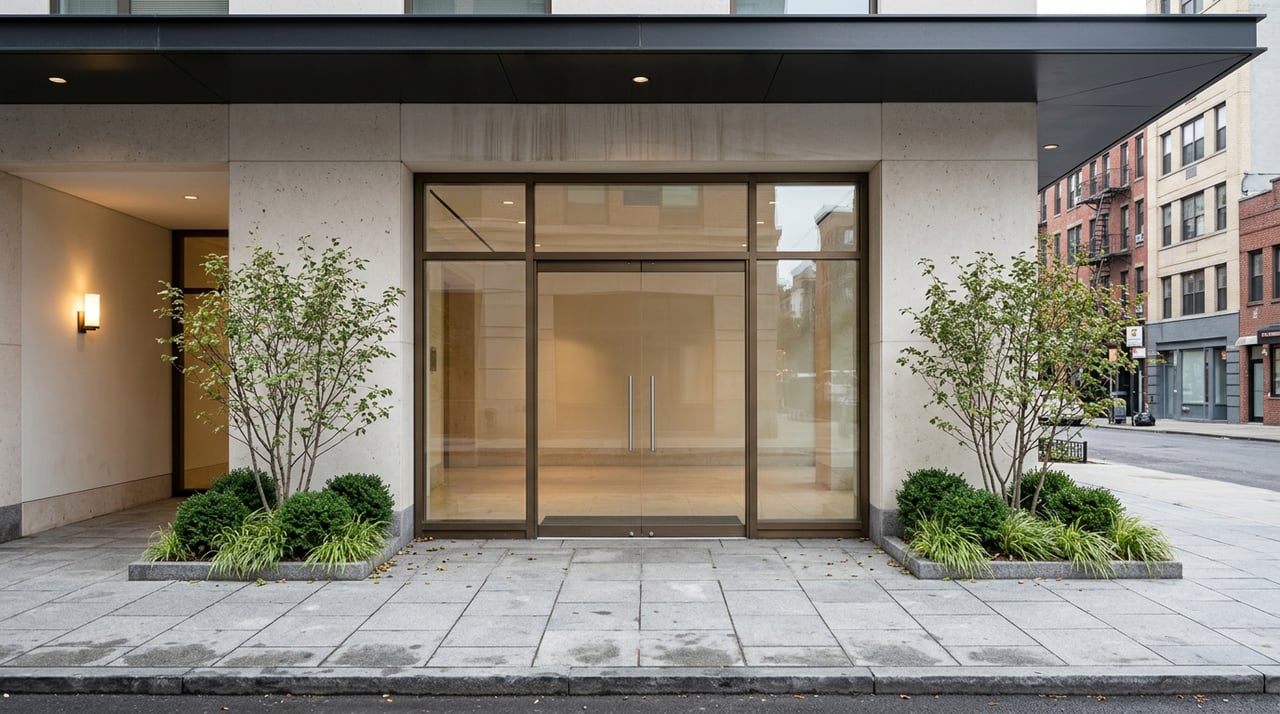
The architecture here is not one-note. Toronto’s urban design guidelines describe a commercial core focused around the four corners of Spadina Road and Lonsdale Avenue, with storefronts and apartment buildings creating a transition to the mainly single-detached character farther north. This layering gives the area visual variety while keeping the scale comfortable.
The same planning material notes that most buildings in the study area were constructed by the 1940s, while later additions, including a 1959 bank building, introduced modernist elements. As a result, the Village feels anchored by legacy rather than constant churn. You see evolution, but you also see continuity.
Residential Character Beyond the Shops
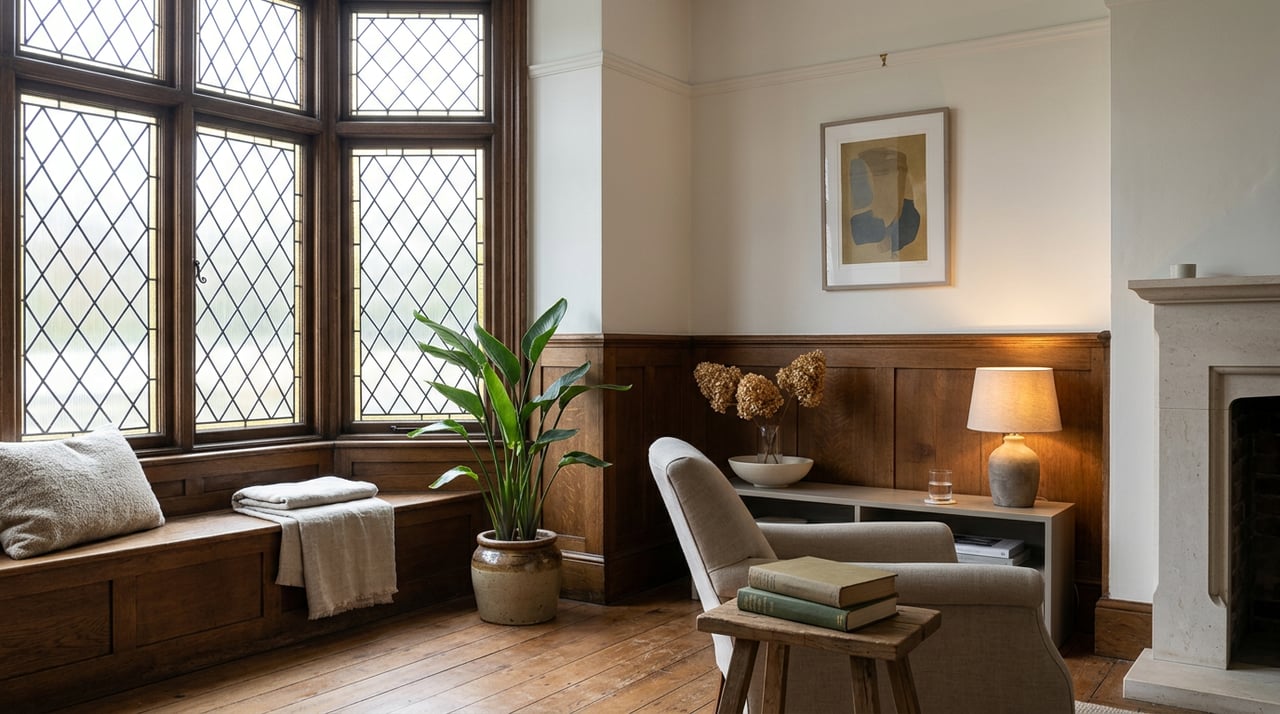
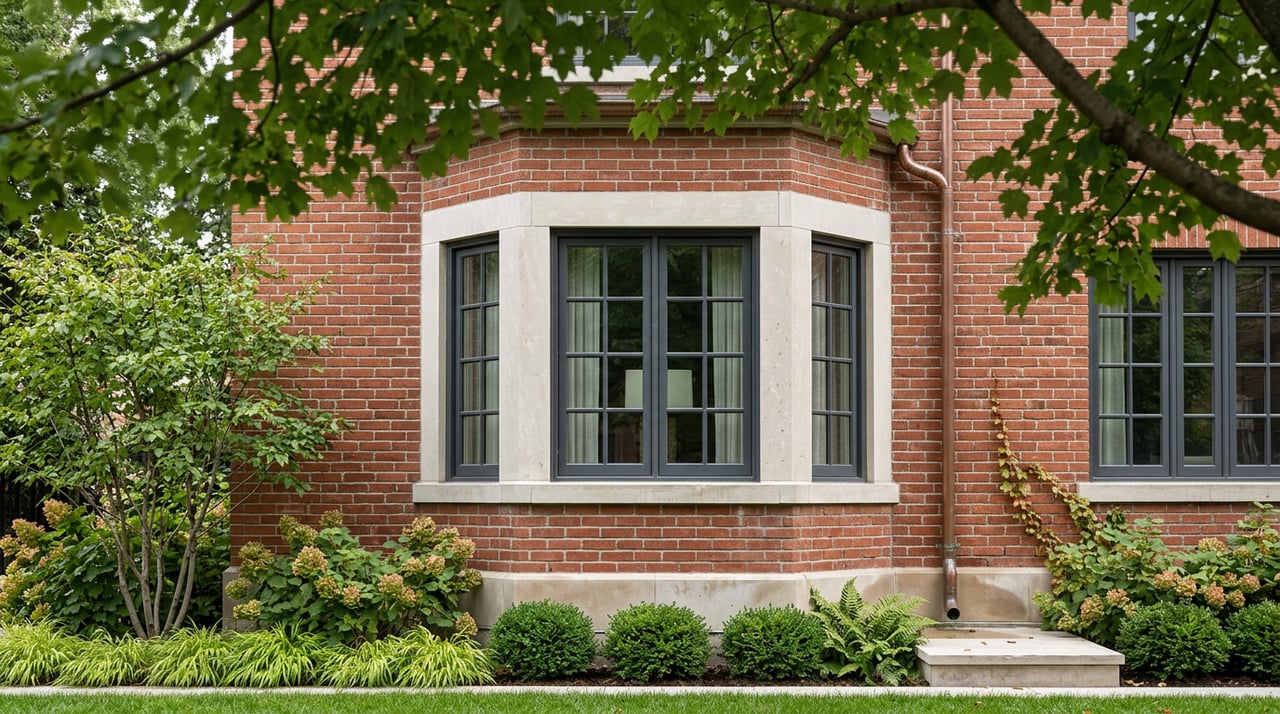
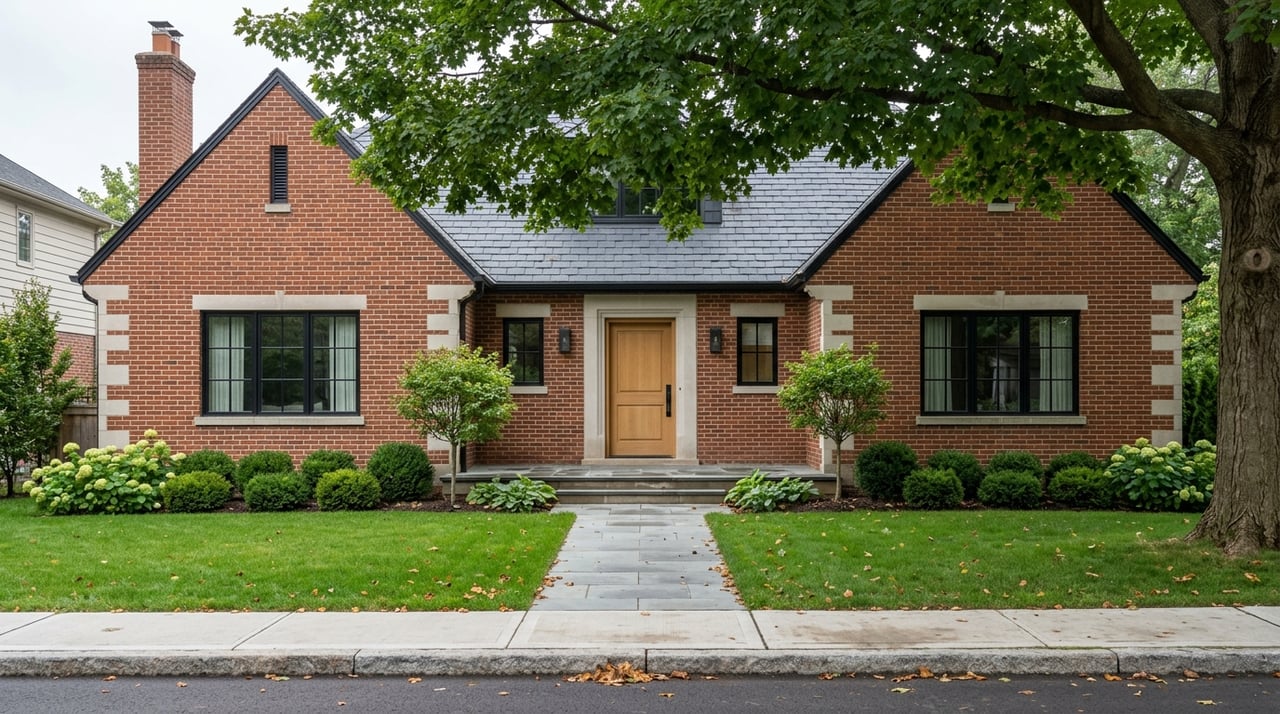
Forest Hill’s broader residential identity is closely tied to design quality. City heritage planning recognizes the area for features associated with Arts and Crafts and Tudor Revival homes, including landscaped setbacks, asymmetrical massing, half-timbering, and stone and brick detailing. These details help explain why the neighbourhood has such a strong visual presence.
For buyers considering a move into the area, that character often translates into more than curb appeal. It can mean streets that feel settled, architecture with substance, and homes that contribute to a cohesive setting. In premium midtown Toronto, that combination remains especially compelling.
Green Space Adds Daily Breathing Room
Luxury living is not only about what is inside the home. It is also about what surrounds you when you step outside. In and around Forest Hill Village, access to parks and ravines gives the neighbourhood a softer, more livable edge.
City planning documents identify nearby open spaces such as Cedarvale Ravine, Suydam Park, Nordheimer Ravine, Sir Winston Churchill Park, and Wells Hill Park. The City’s ravine strategy describes ravines as major green infrastructure that provide environmental, health, and recreational benefits. That language reflects something residents often feel in a practical way: more room to walk, reset, and stay active close to home.
Sir Winston Churchill Park and Nearby Ravines
Sir Winston Churchill Park is a particularly notable local amenity. City materials describe it as an 8.6-hectare park with a perimeter trail, children’s playground, dogs off-leash area, sports field, and tennis courts. Part of the park sits atop the reservoir’s green roof, adding another layer to its design and function.
The park’s location near ravine land reinforces the area’s connection to nature. The south end sits in a ravine east of Nordheimer Ravine, which runs southeast from St. Clair Avenue West to the Spadina Road Bridge. For many households, this means daily routines can include a dog walk, a jog, or unplanned outdoor time without a long trip across the city.
Small Rituals Matter Here
Forest Hill Village supports the kind of lifestyle that often feels luxurious because it is repeatable. You can start the day with coffee, run a few errands locally, take a walk through nearby green space, and return to a neighbourhood that still feels calm by evening. That rhythm is hard to replicate in locations that have either convenience without character or character without practical amenities.
The Village BIA also notes seasonal concerts in Suydam Park, with acoustic performances scheduled on Saturdays during the summer 2026 season. Events like these add a gentle sense of activity to the area. They do not overwhelm the neighbourhood, but they do enrich it.
Transit Access Without Losing Calm
A common challenge in Toronto is finding a neighbourhood that feels connected without feeling overbuilt. Forest Hill Village manages that balance well. Transit access is strong, but the area retains a distinctly residential atmosphere.
The TTC confirms that St. Clair West Station has entrances on St. Clair Avenue West and at Heath Street and Tichester. The Village BIA directs visitors to use that station, exit via Heath Street, and walk east to Spadina Road. Bus route 33 Forest Hill also runs along Spadina Road, with bike share and bike parking adding to the area’s car-light options.
For you, that can mean more flexibility in how you move through the city. You can enjoy a neighbourhood with a composed, low-rise feel while staying connected to the rest of midtown and beyond. That is a valuable combination, especially for buyers who want convenience without sacrificing atmosphere.
Why Buyers Are Drawn to This Lifestyle
Forest Hill Village appeals to buyers for reasons that go beyond prestige. Yes, the area has an established identity and a recognizable sense of refinement. But what often stands out most is how livable it is on an ordinary Tuesday.
The strongest lifestyle themes here are clear: a walkable main street, a merchant mix that supports daily needs, a heritage-rich streetscape, and access to parks and ravines that make outdoor time part of normal life. City planning materials also show ongoing efforts to preserve retail character, improve the public realm, and strengthen connections to shops, services, recreation, parks, and greenspace. That signals careful stewardship, which matters in a neighbourhood with lasting value.
What Everyday Luxury Means Here
In Forest Hill Village, everyday luxury is not defined by excess. It is defined by quality, continuity, and ease. It is the ability to live in a neighbourhood where the built environment feels considered, the amenities are close at hand, and green space is part of your weekly routine.
For discerning buyers, that is often the real benchmark. A beautiful home matters, of course, but so does the life waiting just outside the front door. If you are considering Forest Hill North and want a setting where heritage character and daily convenience work together, Forest Hill Village deserves a place on your shortlist.
If you are exploring a move to Forest Hill or preparing to position a significant home for sale in midtown Toronto, Kate Carcone offers a discreet, highly tailored approach grounded in local market knowledge and refined presentation.
FAQs
What is Forest Hill Village in Toronto?
- Forest Hill Village is the historic mixed-use corridor along Spadina Road between Montclair Avenue and Strathearn Boulevard, identified by the City of Toronto as having a distinct main street character within the broader Forest Hill North area.
What kinds of amenities are in Forest Hill Village?
- The Forest Hill Village BIA directory lists more than 60 businesses, including cafes, restaurants, specialty food, fashion, pharmacies, health services, salons, and fitness offerings.
How do you get to Forest Hill Village by transit?
- You can access the area via St. Clair West Station and then walk to Spadina Road, and bus route 33 Forest Hill also runs along Spadina Road.
What parks are near Forest Hill Village?
- Nearby green spaces identified in City planning materials include Suydam Park, Cedarvale Ravine, Nordheimer Ravine, Sir Winston Churchill Park, and Wells Hill Park.
What makes Forest Hill Village feel luxurious?
- Its appeal comes from a combination of walkable daily amenities, heritage streetscape character, nearby parks and ravines, and strong transit access within a calm residential setting.