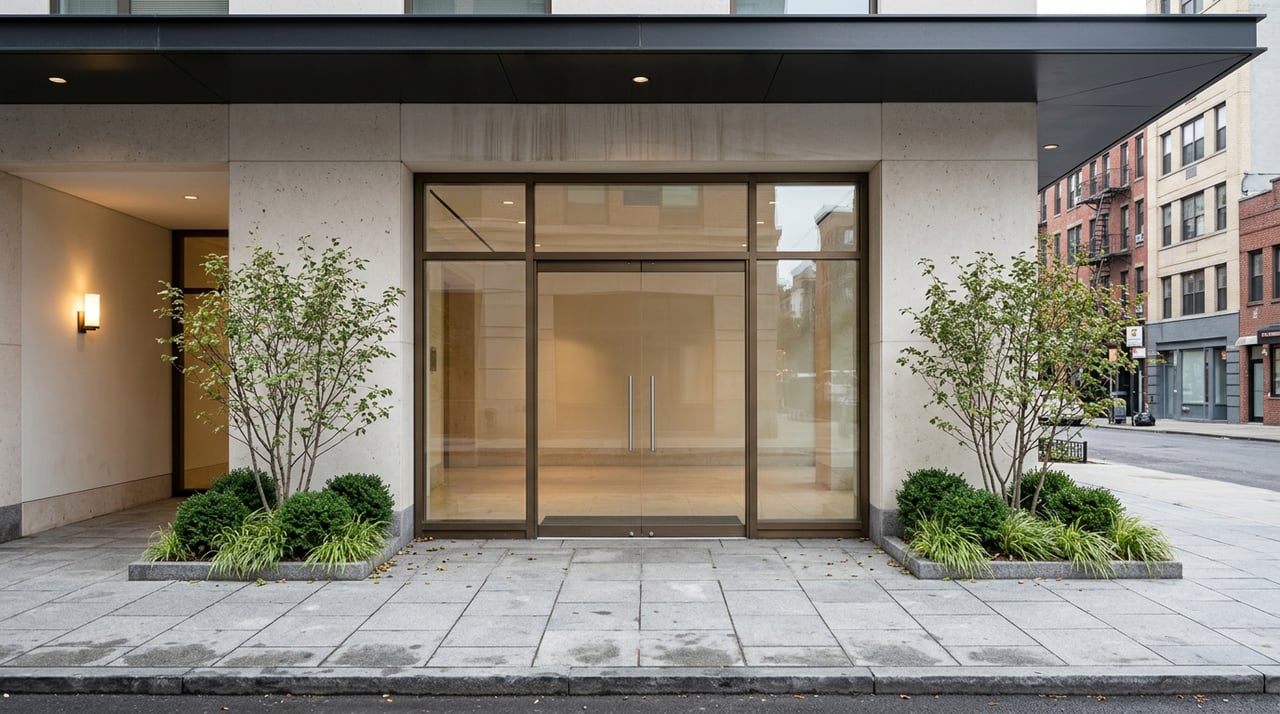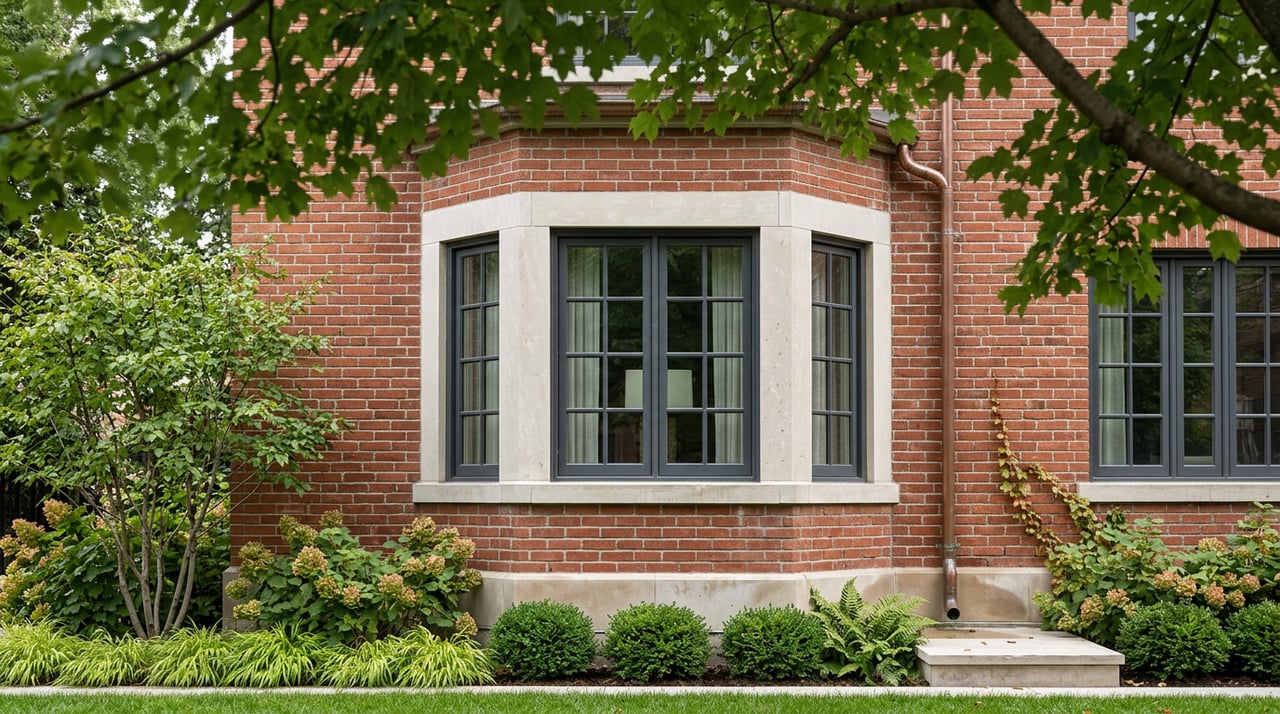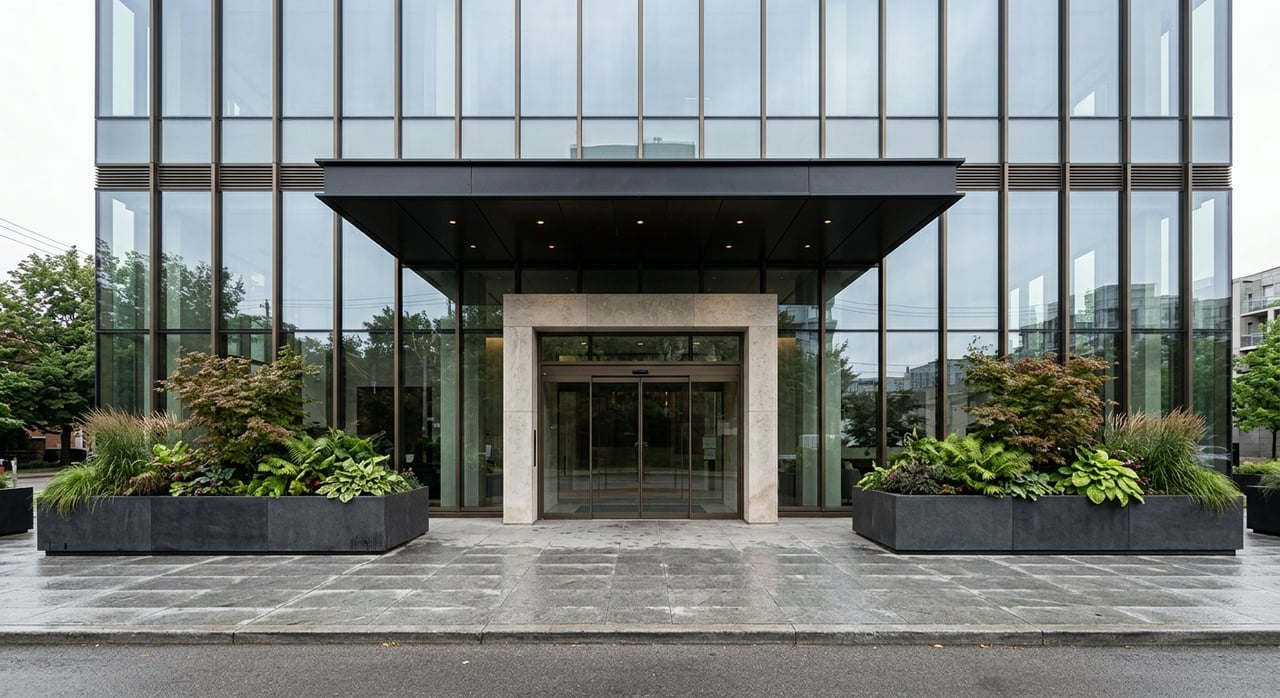
If you are considering a condo in Yorkville, you are not just choosing a home or an asset. You are choosing one of Toronto’s most established luxury micro-markets, where address, service, and everyday convenience often matter as much as the suite itself. For global buyers and investors, that can create both opportunity and complexity, so it helps to understand how Yorkville works before you make a move. Let’s dive in.
Why Yorkville Stands Apart
Yorkville is not simply another downtown condo pocket. The Bloor-Yorkville area is defined by a concentrated mix of luxury retail, hotels, restaurants, galleries, public art, parks, and cultural destinations, with more than 700 businesses and nearly 1,200 BIA members.
That concentration shapes the market in a very specific way. When you buy in Yorkville, you are often paying for a full lifestyle offering: walkability, prestige, service, and proximity to some of Toronto’s best-known shopping and cultural destinations. In practical terms, that makes Yorkville feel more like a self-contained luxury district than a typical condo corridor.
For buyers coming from outside Canada, that distinction matters. A globally recognizable address with strong transit access and a polished day-to-day experience can be easier to understand, use, and position over time than a location that depends on future growth stories.
Yorkville Condo Types to Know
Yorkville offers a range of luxury condo products, but the common thread is a premium, service-forward experience. The building you choose can have a major impact on privacy, resale appeal, carrying costs, and leasing potential.
Branded luxury residences
Four Seasons Private Residences Toronto remains a major benchmark in the area. The property includes 210 private residences and is sold out, reinforcing Yorkville’s reputation for established, high-profile luxury inventory.
For many global buyers, branded residences can feel familiar. They often signal a certain level of service, recognition, and consistency, which can be valuable if you split time between cities.
Large-format amenity towers
Buildings like 11 Yorkville represent the larger, amenity-rich side of the market. Its official materials describe 600 residences above Yonge and Bloor, along with 25,000 square feet of retail, a double-height lobby, an indoor and outdoor pool, a piano lounge, a wine dining room, and a business centre.
This type of building can appeal to buyers who want a full-service lifestyle in one place. It can also be attractive from an investor’s point of view because broad amenity packages and landmark locations often support wider tenant appeal.
Design-led luxury towers
1 Yorkville is positioned as a design-forward building with concierge service, original art in the lobby, a spa level, rooftop entertainment space, and a one-year lifestyle concierge membership included with purchase. It is also presented as being steps from the subway, PATH access, designer boutiques, and the University of Toronto.
For buyers who value convenience and presentation, this combination is compelling. It ties together transit, daily ease, and a strong luxury identity, which are all meaningful factors in a market like Yorkville.
Boutique and scarcity-driven buildings
At the boutique end, 138 Yorkville highlights another important part of the local market. The building is planned with only 78 residences across 29 storeys and promotes features such as white-glove valet, 24/7 concierge, a rooftop terrace, private dining, a pet spa, and EV charging.
This is where Yorkville often separates itself from more conventional condo districts. In some buildings, privacy and scarcity are part of the value proposition, not just square footage or finishes.
What Prices Look Like in Yorkville
Yorkville trades at a clear premium to the wider Toronto condo market. A 2025 full-year recap for Yorkville condos showed an average selling price of $1.54 million and an average of $1,269 per square foot across 253 sales.
That range shifted through later reporting periods. Q4 2025 showed an average selling price of $1.43 million and $1,189 per square foot, while Q1 2026 showed $1.22 million and $1,196 per square foot.
The upper tier remains especially distinct. In 2025, the luxury segment over $2.5 million averaged $4.24 million and $1,600 per square foot, compared with $4.72 million and $1,828 per square foot in 2024.
For context, the Toronto Regional Real Estate Board reported the City of Toronto’s average condo price at $690,607 in Q4 2025. That gap helps explain why Yorkville should be evaluated as its own micro-market rather than lumped into broader city condo averages.
Why Demand Holds Up Over Time
A premium price only makes sense if the fundamentals support it. In Yorkville, long-term demand is reinforced by a rare mix of location, transit, culture, hospitality, and daily convenience.
The neighbourhood includes landmarks and destinations such as the Royal Ontario Museum, the Gardiner Museum, Yorkville Park, major luxury retailers, hotels, and a wide dining offering. That means the area works well not only for full-time residents, but also for buyers seeking a city base with an easy, walkable routine.
Transit is a major advantage
Transit access is one of Yorkville’s strongest practical benefits. The TTC describes Bloor-Yonge as the busiest subway station in the system, and its capacity improvement project includes a new eastbound Line 2 platform, expanded Line 1 platforms, new elevators, escalators, stairwells, and a new accessible entrance at 81 Bloor Street East.
That matters whether you plan to live in the condo or lease it. Easy access to major transit supports everyday convenience and broadens the pool of future occupants.
Rental market activity remains important
Yorkville investors should also look beyond the building and consider the wider rental backdrop. CMHC reported a GTA condominium-apartment vacancy rate of 1.0% in 2025, with average two-bedroom rent at $2,904.
TRREB also reported 13,687 condo-apartment rental transactions in Q4 2025, up 16 per cent year over year. That does not guarantee identical leasing performance for every Yorkville unit, but it does point to active tenant demand across the broader condo segment.
What Global Buyers Need to Review Carefully
For international and non-Canadian buyers, Yorkville can be appealing, but the rule set is layered. Before you buy, it is important to understand how federal, provincial, and municipal requirements may affect your eligibility and carrying costs.
Federal purchase restrictions
The federal Prohibition on the Purchase of Residential Property by Non-Canadians Act is in force, and the federal government has extended the ban until January 1, 2027. This means some non-Canadian buyers may face direct restrictions on purchasing residential property.
Because eligibility can depend on your status and the nature of the purchase, this is one of the first issues to clarify before you begin a serious search.
Ontario NRST
Ontario’s Non-Resident Speculation Tax is 25 per cent on the purchase or acquisition of residential property anywhere in Ontario by foreign nationals, foreign corporations, or taxable trustees. It applies in addition to Ontario land transfer tax.
For many global buyers, this can materially change the economics of a purchase. It should be modeled early, not after you have already selected a property.
Toronto Vacant Home Tax
The City of Toronto requires residential property owners to submit an annual occupancy declaration. Beginning with the 2024 taxation year, the Vacant Home Tax rate increased to 3 per cent of Current Value Assessment for properties deemed vacant.
If you plan to use a Yorkville condo only occasionally, this is a key consideration. Ownership in Toronto can come with annual compliance obligations even when the property is not your principal residence.
Underused Housing Tax
The federal Underused Housing Tax is an annual 1 per cent tax on vacant or underused housing in Canada. Canada states that affected owners generally include non-resident, non-Canadians, and the CRA notes that even exempt owners may still need to file a return.
This is separate from Toronto’s Vacant Home Tax. For international buyers, both should be reviewed together when estimating annual carrying costs.
Why Status Certificates Matter for Investors
In a luxury condo market, building reputation can feel subjective. A status certificate helps turn that into something more concrete.
The Condominium Authority of Ontario says status certificates contain key information about the condo corporation and unit, including governing documents, reserve fund information, common expenses, special assessments, insurance, and litigation. The CAO also states that condo corporations can charge up to $100 including tax and must provide the certificate within 10 days.
For investors, this review is essential. In Yorkville especially, a polished lobby and strong amenity package should be matched by careful diligence on the corporation itself.
How to Evaluate a Yorkville Condo Strategically
Not every Yorkville condo serves the same goal. A suite that works well as a private city residence may not be the same one that best fits an investor’s numbers or an international buyer’s travel pattern.
As you compare options, focus on the factors that most directly affect long-term fit:
- Building type, whether branded, boutique, or large-format luxury
- Level of service, including concierge, valet, and resident amenities
- Walkability to transit, shopping, dining, and cultural destinations
- Privacy and scarcity within the building
- Carrying costs, including taxes and any vacancy-related obligations
- Condo corporation health and status certificate details
- Likely tenant appeal if leasing is part of your strategy
The strongest Yorkville purchases are usually the ones where lifestyle and financial logic align. That is especially true in a market where pricing is already well above the city baseline.
The Yorkville Buyer Takeaway
Yorkville remains one of Toronto’s clearest luxury condo micro-markets. Its appeal comes from more than polished towers alone. It is the combination of prestige, full-service buildings, cultural proximity, strong transit access, and a level of scarcity that is difficult to reproduce elsewhere in the city.
For global buyers and investors, that can make Yorkville a compelling place to focus. It also means the details matter. Building selection, tax exposure, vacancy rules, and condo document review all deserve careful attention before you commit.
If you are weighing Yorkville as a home, a pied-à-terre, or an investment, working through the market with a discreet, highly local lens can help you make a smarter decision with more confidence. For tailored guidance on Toronto luxury condominiums, connect with Kate Carcone.
FAQs
What makes Yorkville condos different from other Toronto condos?
- Yorkville condos sit in a concentrated luxury district shaped by high-end retail, hotels, cultural institutions, parks, dining, and strong transit access, which helps the area function as a distinct micro-market rather than a typical downtown condo corridor.
What price range should you expect for Yorkville condos?
- Yorkville condo pricing is typically well above the city average, with a 2025 average selling price of $1.54 million and premium luxury product often trading at much higher price points.
What should global buyers know before purchasing a Yorkville condo?
- Global buyers should review federal purchase restrictions, Ontario’s 25 per cent Non-Resident Speculation Tax, Toronto’s annual Vacant Home Tax declaration requirements, and the federal Underused Housing Tax before buying.
What supports rental demand for Yorkville condos?
- Yorkville benefits from a walkable location, major transit access, nearby shopping and cultural destinations, and a broader GTA rental market that showed a 1.0% condominium-apartment vacancy rate in 2025.
What is a status certificate for a Yorkville condo purchase?
- A status certificate is a document that outlines important information about a condo corporation and unit, including reserve funds, common expenses, insurance, special assessments, and litigation, which makes it an important part of investor due diligence.