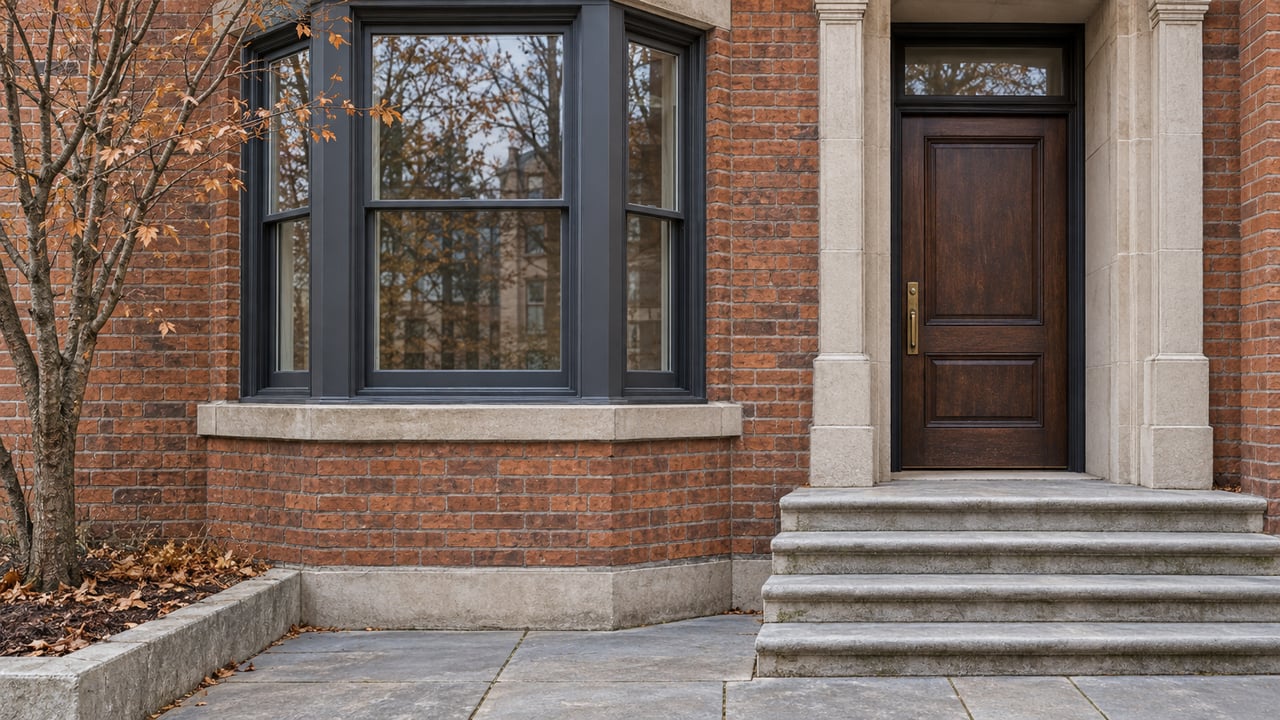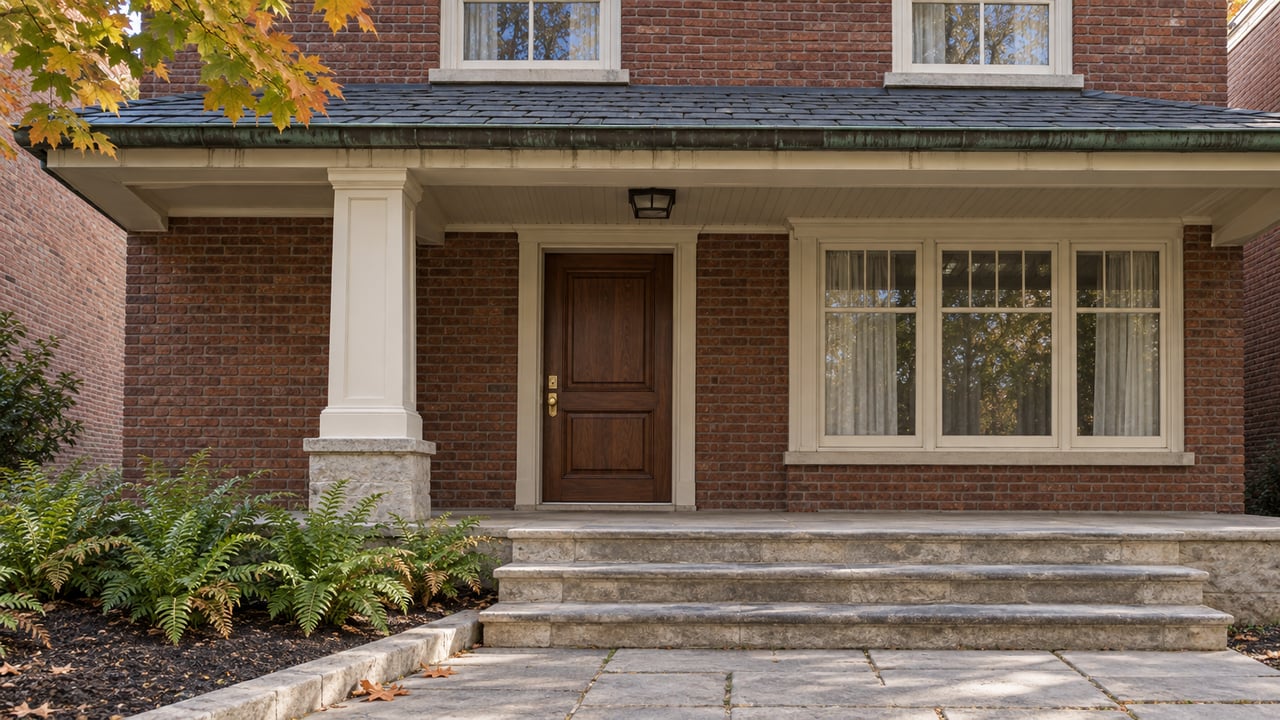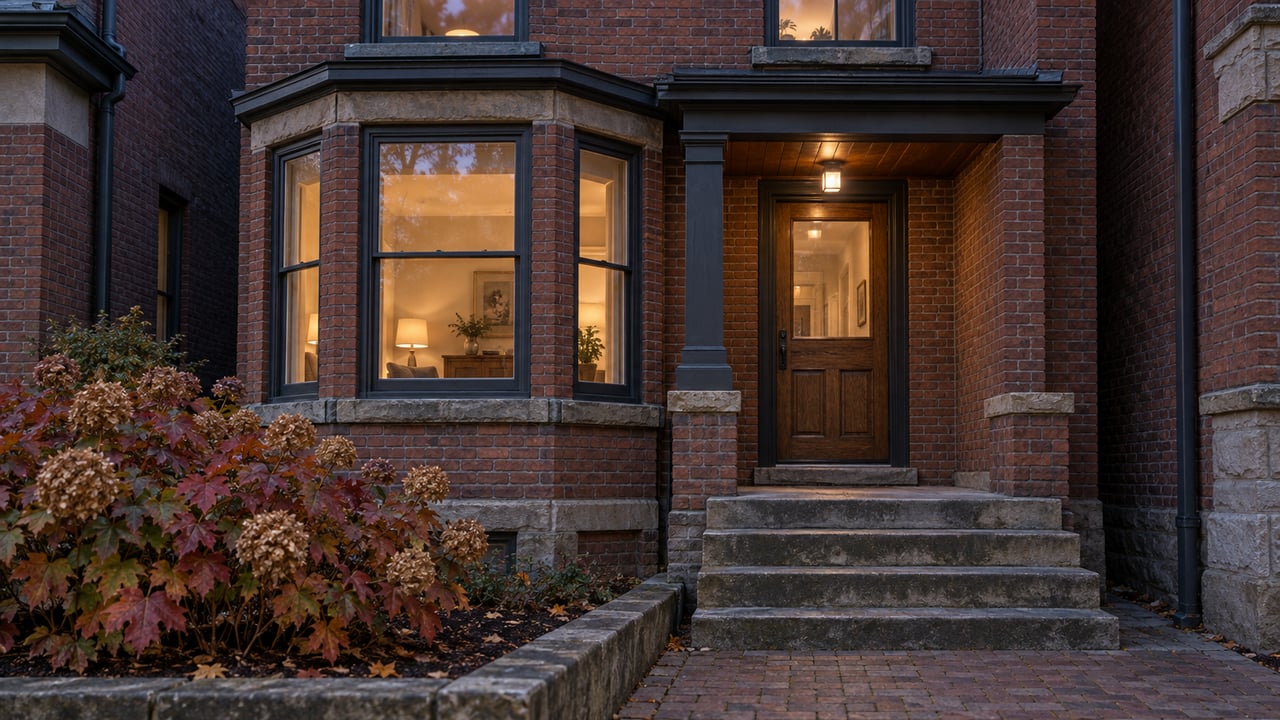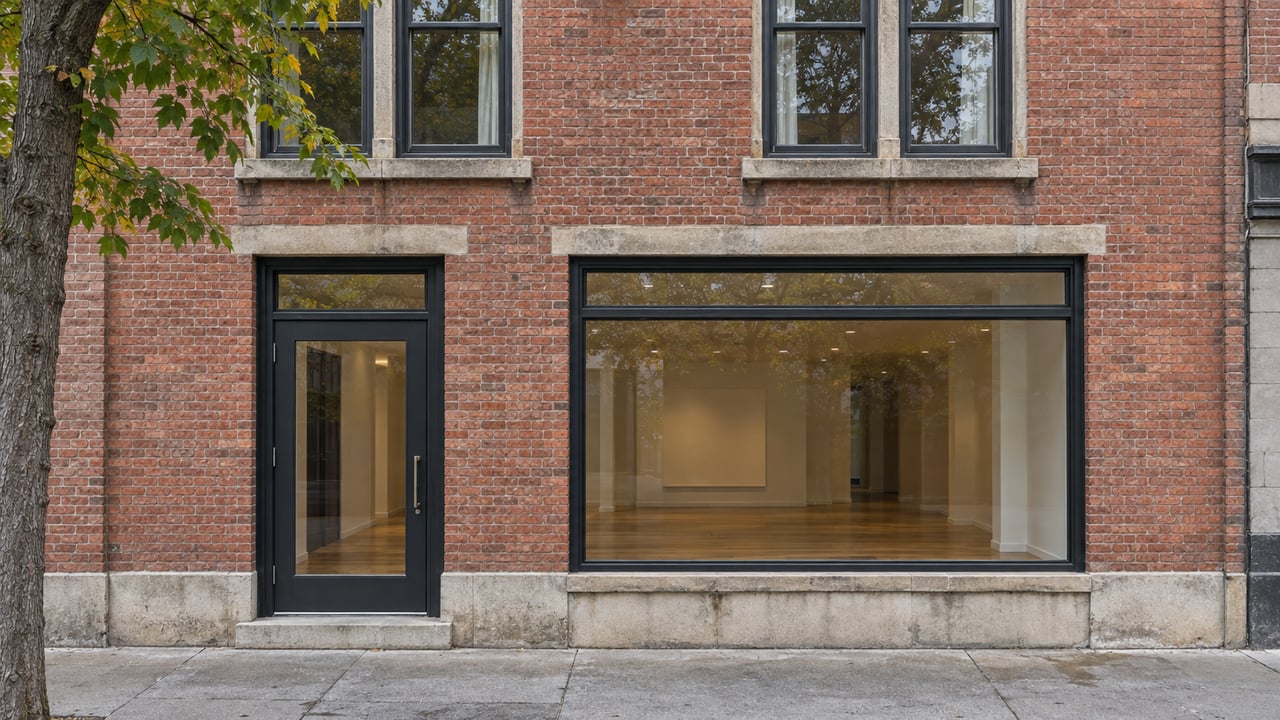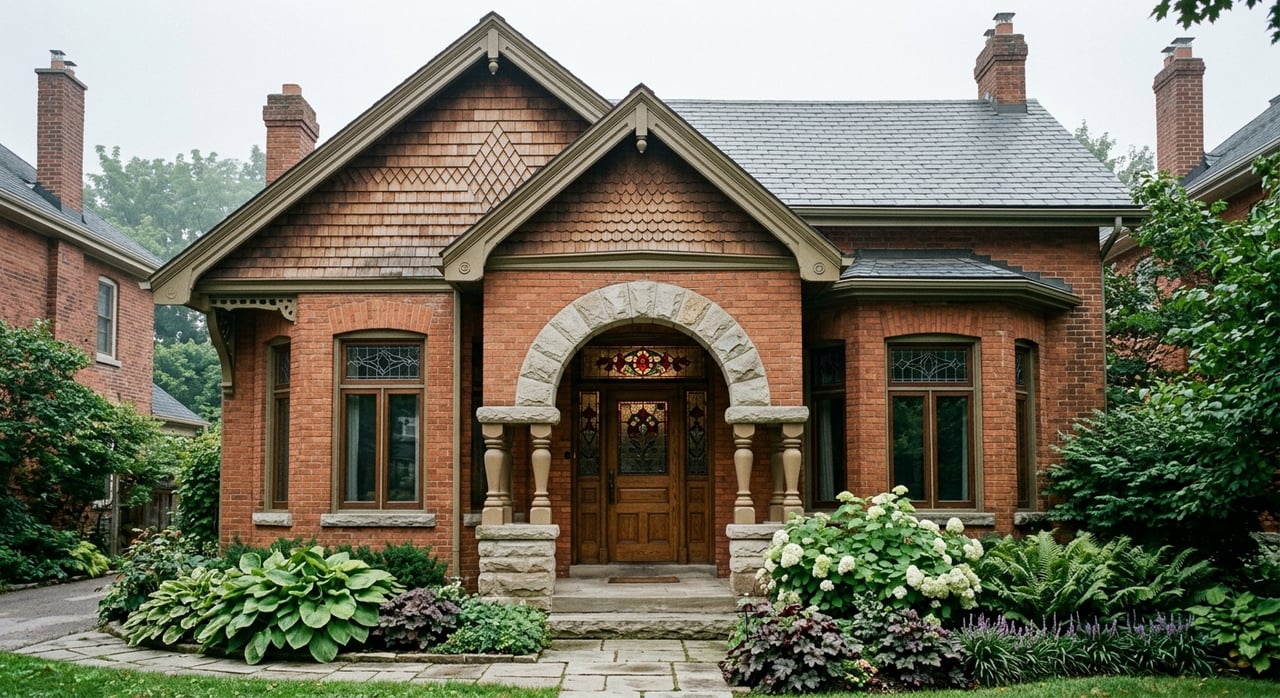
If you love architecture, the Annex rewards slow looking. On just a few blocks, you can spot turrets, rounded arches, rusticated stone, formal porticos, and some of Toronto’s earliest apartment buildings, all set within a streetscape shaped by narrow roads, mature trees, and a consistent low-rise rhythm. Whether you are dreaming about buying in the area or simply want to understand what makes it so visually memorable, this guide will help you read the Annex with a sharper eye. Let’s dive in.
Why the Annex Feels Distinct
One of the most important things to know about the Annex is that its appeal is not tied to a single architectural style. According to the City of Toronto’s West Annex heritage study, the neighbourhood developed as a late-19th- to early-20th-century residential landscape made up of low-rise house-form buildings, narrow streets, open spaces, and a mature tree canopy.
That means the architecture is bigger than any one facade. In the Annex, lot patterns, front setbacks, and the way buildings sit together on a street are part of the visual experience. This layered character is also why the City has recognized the East Annex and parts of the West Annex and Madison Avenue as heritage conservation districts, while continuing to study additional areas for protection.
The Signature Annex Look
If you are trying to identify the classic Annex look, start with what the City describes as the "Annex style". It blends Richardsonian Romanesque and Queen Anne influences, creating houses that feel rich, textured, and a little theatrical without losing their residential warmth.
You will often see asymmetrical massing, complex rooflines, gables, dormers, turrets, chimneys, and sleeping porches. Materials matter too, especially rusticated stone, red brick, clay tile, terracotta shingling, and wood detailing. Together, these features create the visual depth that architecture lovers tend to notice right away.
What to Look For on a Walk
If you want a simple checklist while walking the Annex, keep an eye out for:
- Asymmetrical facades
- Rounded-arch openings
- Bay windows
- Turrets or towers
- Rusticated stone and red brick
- Terracotta or clay shingles
- Recessed entrances
- Porticos and stone trim
- Generous front setbacks
- Mature trees framing the streetscape
These details show up again and again in the City’s documented Annex examples and help explain why the neighbourhood feels so cohesive even when the buildings are not identical.
Styles Beyond Late Victorian Design
The Annex is not only about late Victorian exuberance. As the area evolved, it also picked up more formal early-20th-century architecture, including Georgian Revival and Edwardian Classicist buildings.
A good example is 60 Lowther Avenue, a 1906 Georgian Revival house identified by the City for its symmetry, central portico, chimneys, dormers, keystones, dentils, and stone trim. Compared with the more expressive Annex-style houses, this type of home feels more ordered and restrained.
The neighbourhood also includes important early apartment buildings that fit the same low-rise setting. Spadina Gardens at 41 Spadina Road and Audley Court at 68 Kendal Avenue are notable examples of how the Annex expanded beyond detached houses while still preserving scale, material richness, and a landscaped presence.
Institutional Buildings Matter Too
Architecture lovers often focus on houses, but the Annex’s visual story includes churches and other larger buildings as well. Walmer Road Baptist Church is especially useful because the City identifies different parts of the complex as Queen Anne revival, Romanesque revival, and Gothic revival.
That mix helps explain why the Annex can feel so visually layered. Residential and institutional buildings often share related design language, including asymmetry, brick-and-stone contrast, and rounded or pointed openings. The result is a neighbourhood where even larger buildings tend to feel connected to the surrounding streetscape rather than separate from it.
Best Streets for Architecture Lovers
Some Annex streets are especially rewarding if you want to see the neighbourhood’s architectural identity clearly.
St. George Street
The stretch of St. George between Dupont and Bernard is one of the best places to understand the area’s early development. The City describes 262-264 St. George Street as an early representative Annex-style building, and notes that this block includes some of the earliest structures built after Simeon H. Janes’ subdivision.
If you are trying to picture the Annex at the moment its residential identity took shape, this is a strong place to start. Original house forms still read clearly here, which gives the street unusual architectural legibility.
Huron Street
Huron Street, especially south of Dupont and north of Bloor, is another standout. The City uses 661-665 Huron Street and 478 Huron Street to illustrate the neighbourhood’s late-Victorian residential development.
This is a street where the classic vocabulary of the Annex comes through well. You can see how asymmetrical massing, roof complexity, and rich material contrasts help define the historic character of the block.
Lowther, Walmer, and Spadina
Lowther Avenue is worth your time, particularly around Bedford, Admiral, Walmer, and Spadina. The City notes that 60 Lowther forms part of an intact collection of low-rise architect-designed house-form buildings, while nearby sites contribute to a strong sense of visual continuity.
This area also connects you to Spadina Gardens, one of Toronto’s earliest apartment buildings. For buyers who appreciate both heritage homes and early apartment architecture, this corner of the Annex shows how different building types can still work in harmony.
Madison Avenue and Kendal Avenue
According to the City’s heritage conservation district overview, Madison Avenue holds a significant collection of residential houses designed in prevailing early-20th-century styles by notable Toronto architects. That formal recognition helps explain why the street feels so coherent.
Kendal Avenue adds another layer to the story through early apartment forms such as Audley Court. Together with nearby Spadina Road, it shows the Annex’s gradual transition from large houses to apartment living without losing the neighbourhood’s low-rise identity.
Why Streetscape Matters So Much
In many neighbourhoods, buyers focus mainly on the individual property. In the Annex, the broader streetscape can be just as important. The City’s heritage work consistently points to the value of consistent setbacks, mature trees, narrow streets, and a repeated rhythm of low-rise buildings.
For architecture-minded buyers, this coherence often becomes part of a home’s long-term appeal. A beautiful house matters, but so does the way it fits into a complete and recognizable setting.
Heritage Status and Homeownership
If you are considering buying an older home in the Annex, it helps to understand what heritage status means in practice. The City explains that heritage conservation districts are designed to manage change rather than freeze a neighbourhood in time, which is an important distinction for anyone thinking about updates or restoration.
For designated properties, owners need a heritage permit before altering, demolishing, or rebuilding heritage attributes. At the same time, district plans generally do not regulate interiors. The City also notes that a property listed on the Heritage Register is not the same as a designated property, which can matter during due diligence.
How Architecture Can Influence Value
Architecture is not just an aesthetic story in the Annex. It can also shape how buyers respond to a property over time. The City states that heritage conservation districts can support livability and appeal, and that province-wide studies have found properties in HCDs often hold or increase value after inclusion within a district boundary.
At the same time, the City notes that MPAC does not use HCD status as a determining factor in current value assessment. In practical terms, that suggests market performance is driven more by demand, location, scarcity, condition, and how well a property retains the architectural qualities that make the Annex distinctive.
For many buyers, those qualities include original massing, historic materials, intact setbacks, and a strong relationship to the surrounding street. In a neighbourhood like this, architectural integrity is closely tied to market identity.
Insurance and Financial Support
Heritage ownership often raises practical questions, especially around insurance and upkeep. The Ontario government states that premiums should not rise because of heritage designation, although age and condition can affect pricing and coverage. The City echoes that guidance.
There may also be support available in certain cases. The City notes that designated properties may qualify for conservation incentives such as its Heritage Grant Program for residential or non-profit uses, while separate tax rebate programs apply to eligible commercial or industrial properties.
What Buyers Should Take Away
If you are drawn to the Annex, chances are you are responding to more than one beautiful facade. You are responding to a neighbourhood where architecture, landscape, and planning history still work together in a way that feels unusually intact.
That is part of what makes buying here so compelling. Whether you are looking for a grand house, an early apartment building with architectural character, or simply a block with lasting visual coherence, the Annex offers a kind of lived-in design legacy that is increasingly hard to replicate.
If you are considering a move to the Annex or evaluating a heritage home in one of Toronto’s most architecturally layered neighbourhoods, working with a local advisor who understands both design value and market nuance can make all the difference. Connect with Kate Carcone for thoughtful guidance tailored to your goals.
FAQs
What architectural styles are most common in the Annex?
- The Annex is known for a mix of late Victorian "Annex style" homes, Queen Anne influences, Richardsonian Romanesque details, Georgian Revival houses, Edwardian Classicism, and early low-rise apartment buildings.
What features define an Annex-style house in Toronto?
- Common features include asymmetrical massing, gables, dormers, turrets, rounded arches, rusticated stone, red brick, clay or terracotta shingles, chimneys, and detailed wood or stone trim.
What are the best streets to see architecture in the Annex?
- St. George Street, Huron Street, Lowther Avenue, Madison Avenue, Kendal Avenue, and nearby Spadina Road are among the strongest streets for seeing the neighbourhood’s architectural character.
What does heritage status mean for an Annex home?
- If a property is designated, exterior changes to protected heritage attributes typically require a heritage permit, while interiors are generally not regulated through heritage conservation district plans.
Does heritage designation affect property value in the Annex?
- The City says properties in heritage conservation districts often hold or increase value over time, but market value is also shaped by demand, location, scarcity, condition, and architectural integrity.
Does heritage designation increase insurance costs for Toronto homes?
- Provincial guidance says heritage designation itself should not increase insurance premiums, though the age and condition of a property can still affect coverage and pricing.