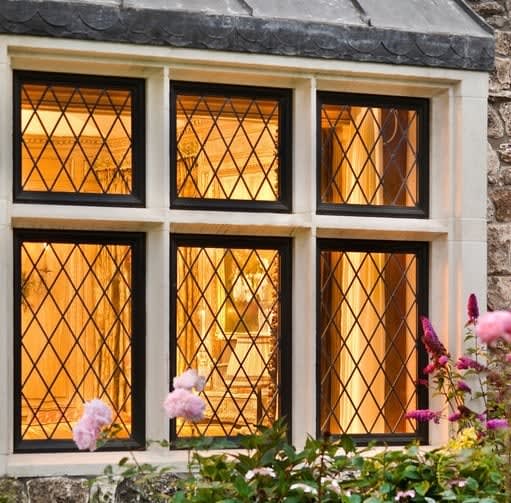
1. Save your wood windows. Thirty percent of windows being replaced are less than 10 years old—plastic parts fail and can’t be repaired, seals fail on insulating glass units, or the glass fogs up. Your original wood windows have lasted a century or more; they can last another.
2. Each window is different. Consider individual window needs. You might carefully restore the house’s front windows and add interior air panels seasonally, add weatherstripping and exterior storms to side windows, and replace the rotting windows out back. And some windows may need nothing at all.
3. Old windows can be energy efficient. Adding weather stripping and keeping up storms can make original windows as energy-efficient as replacements. Interior air panels and curtains or shades also add comfort and boost energy savings.
4. Maintenance lasts. Simple maintenance and minor repairs will pull your windows through another decade or two. Complete refurbishing will set them up for the rest of this century.
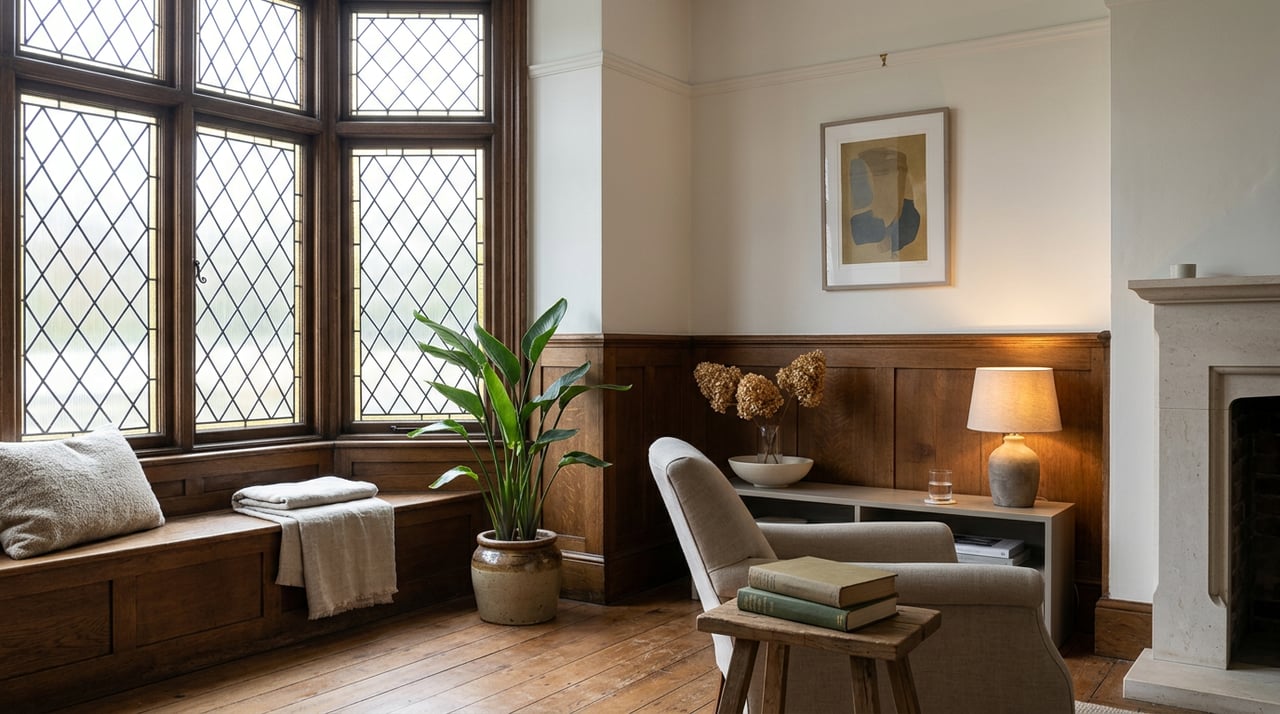
5. Enjoy your old windows. Their original moulding profiles and old wavy glass provide authentic character that is not easily re-created.
6. If you are forced to replace your windows, look for options that are in keeping with the character and heritage of the home. Many modern window manufacturers offer beautiful alternatives for ensuring replacements that look in character, and that offer high efficiency status.