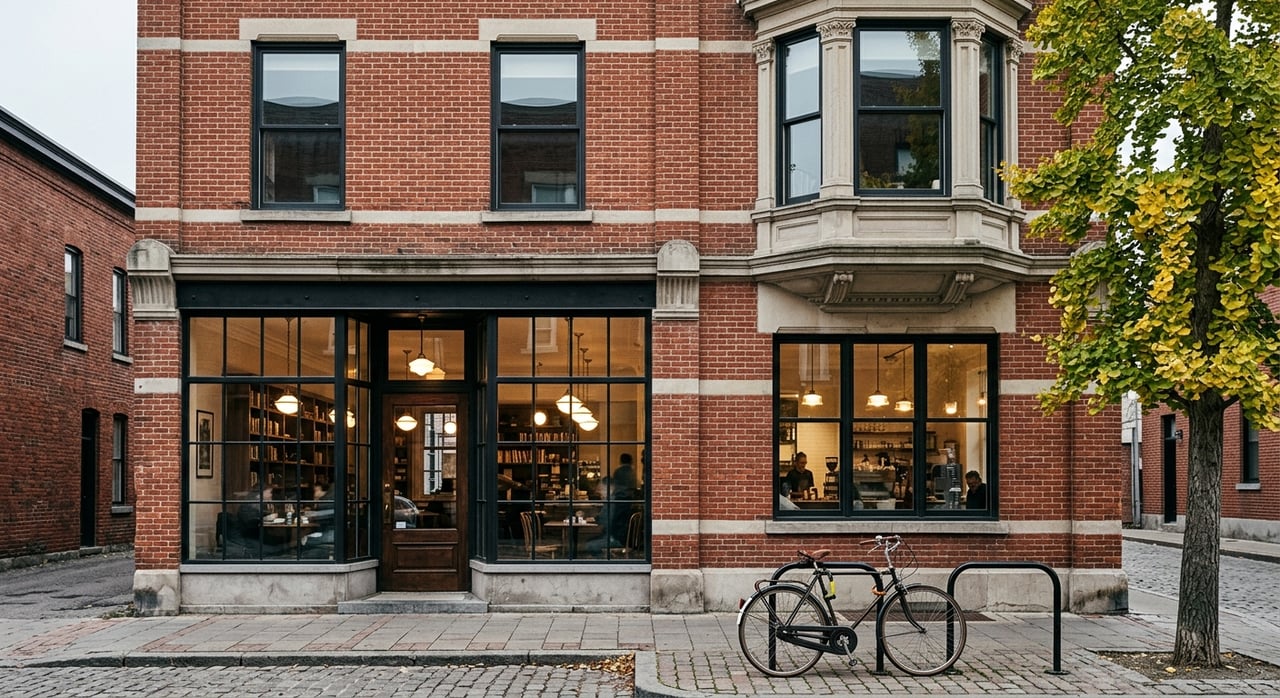
If you want a Toronto neighbourhood where daily life feels both intellectual and lived-in, the Annex makes a strong case right away. You get tree-lined residential streets, a busy Bloor Street main street, and a culture scene woven into the rhythm of everyday errands and coffee stops. For buyers considering the area, this guide will help you understand what makes the Annex distinct, from its housing mix to its walkable, transit-connected lifestyle. Let’s dive in.
Why the Annex Feels So Distinct
The Annex has a long-established identity within Toronto. City heritage work traces the historic core to the late 1880s, when the area was annexed to the city and shaped through the original Toronto Annex subdivision.
That history still shows up clearly today. The neighbourhood is known for mature trees, older homes, and streets that feel residential first, even with Bloor Street West acting as an active daily corridor.
There is also a deeper civic and cultural layer here. The City of Toronto notes that Jane Jacobs lived in the Annex from 1968 to 2006, which helps explain why the neighbourhood is often associated with street life, walkability, and thoughtful urban change.
Bloor Street Sets the Pace
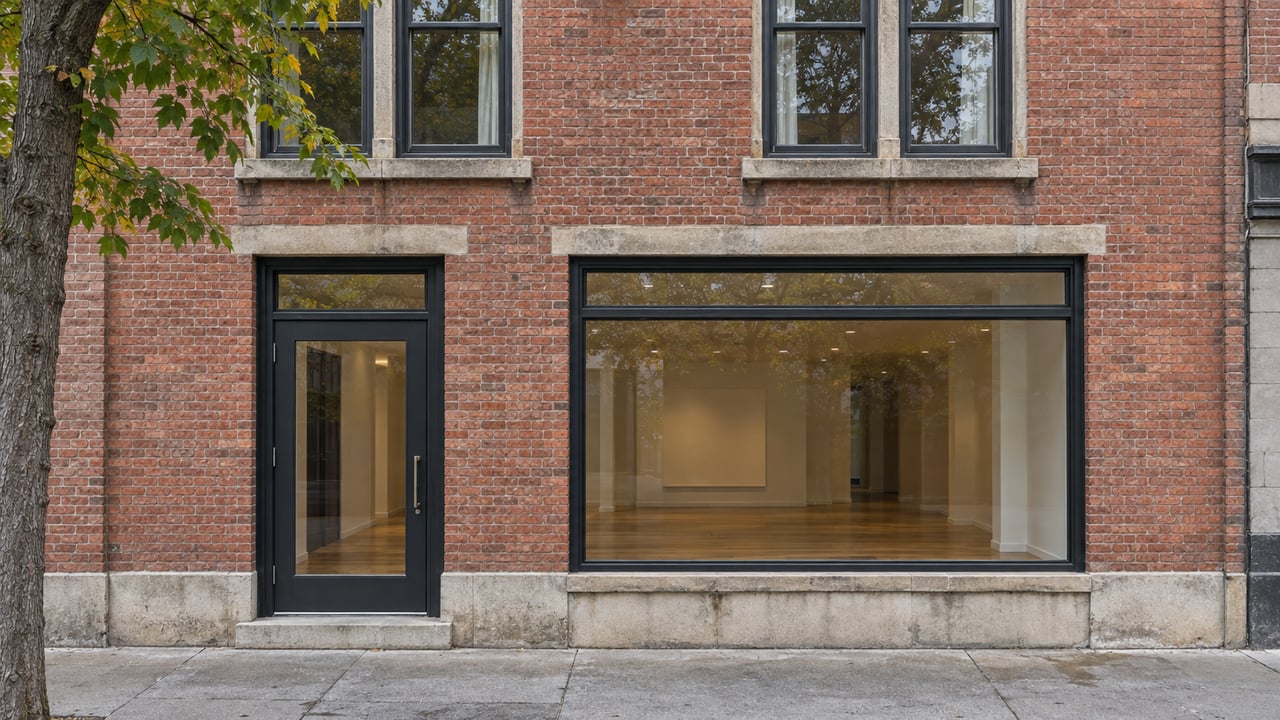
For many residents, Bloor Street West is the part of the Annex you feel every day. The Bloor Annex BIA covers the stretch between Madison Avenue and Bathurst Street, right beside the University of Toronto area, and describes it as a mix of historic architecture, cafés, restaurants, tea shops, and wellness-oriented businesses.
That matters because the Annex does not feel like a neighbourhood frozen in heritage status. It feels active and useful, with the kind of main street where you can stop for coffee, pick up lunch, run errands, and still feel connected to a strong local identity.
The BIA also supports public-facing features that add to that street-level energy. Its programming includes a public stage at Brunswick and Bloor, mural projects, and parkettes at Robert, Major, Brunswick, and Howland.
Recent business highlights from the BIA show the range of everyday options along the strip, including cafés and a broad mix of food spots. In practical terms, that gives you a neighbourhood where culture is not limited to special occasions. It is part of an ordinary Wednesday.
Culture Is Built Into the Area
One of the Annex’s strongest advantages is how naturally it connects residential life with major cultural institutions. In a City of Toronto report, Bloor Street from Bay Street to Bathurst Street was designated a Cultural Corridor, recognizing a 1.5-kilometre stretch with more than a dozen permanent arts organizations.
That is not just branding language. The corridor includes museums, film screenings, exhibitions, concerts, talks, theatre, and architecture-focused experiences that sit directly along the same broader route people use every day.
For Annex residents, that means major venues are close at hand. The corridor includes the Bata Shoe Museum, Hot Docs Ted Rogers Cinema, the Royal Ontario Museum, and the Royal Conservatory of Music’s Koerner Hall.
This is part of what gives the neighbourhood its lasting appeal. You are not choosing between a quiet residential setting and access to city culture. In the Annex, those two things overlap in a way that feels unusually seamless.
Annex Housing Has Layers
If you are looking at homes in the Annex, one of the first things you will notice is variety. This is not a neighbourhood with one dominant housing form or one era of development.
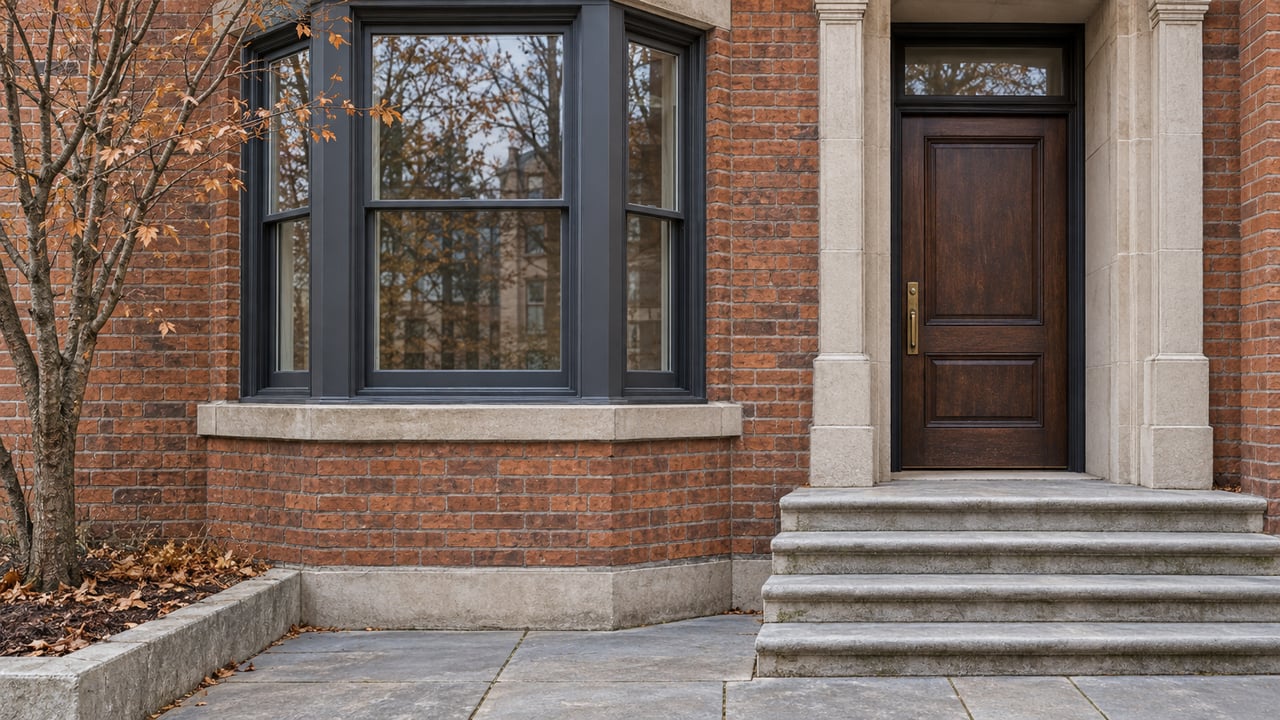
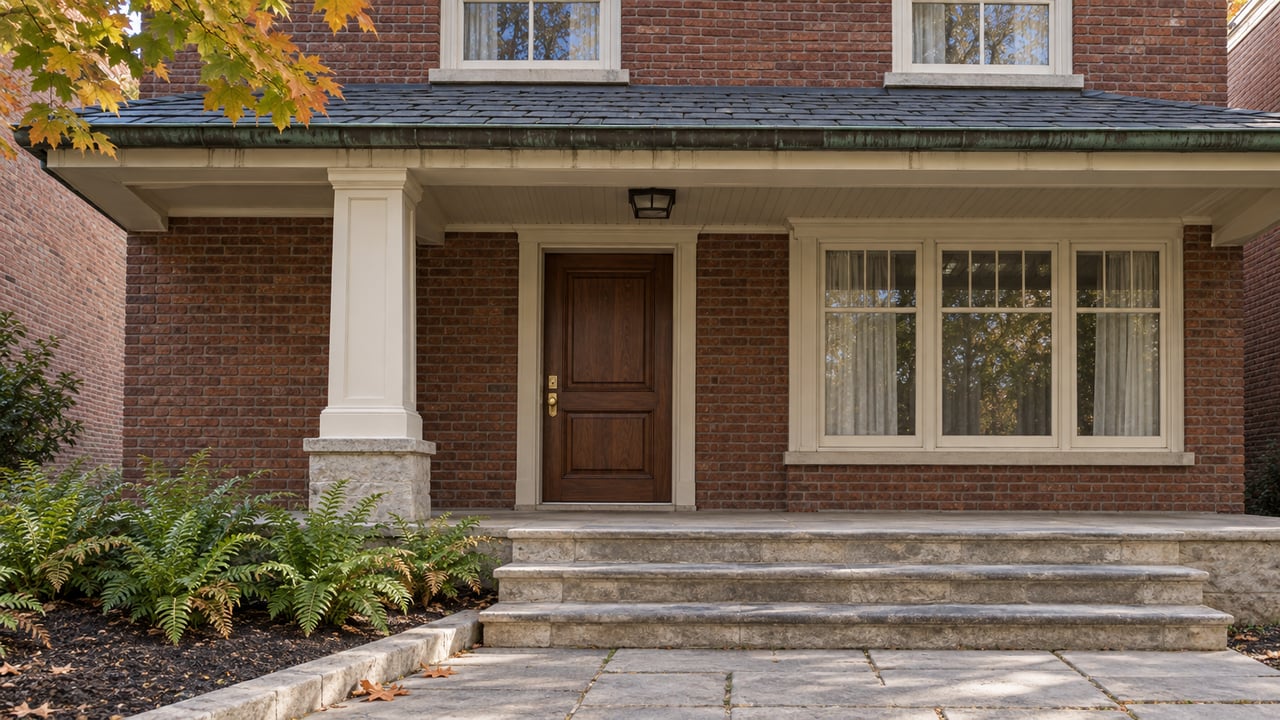
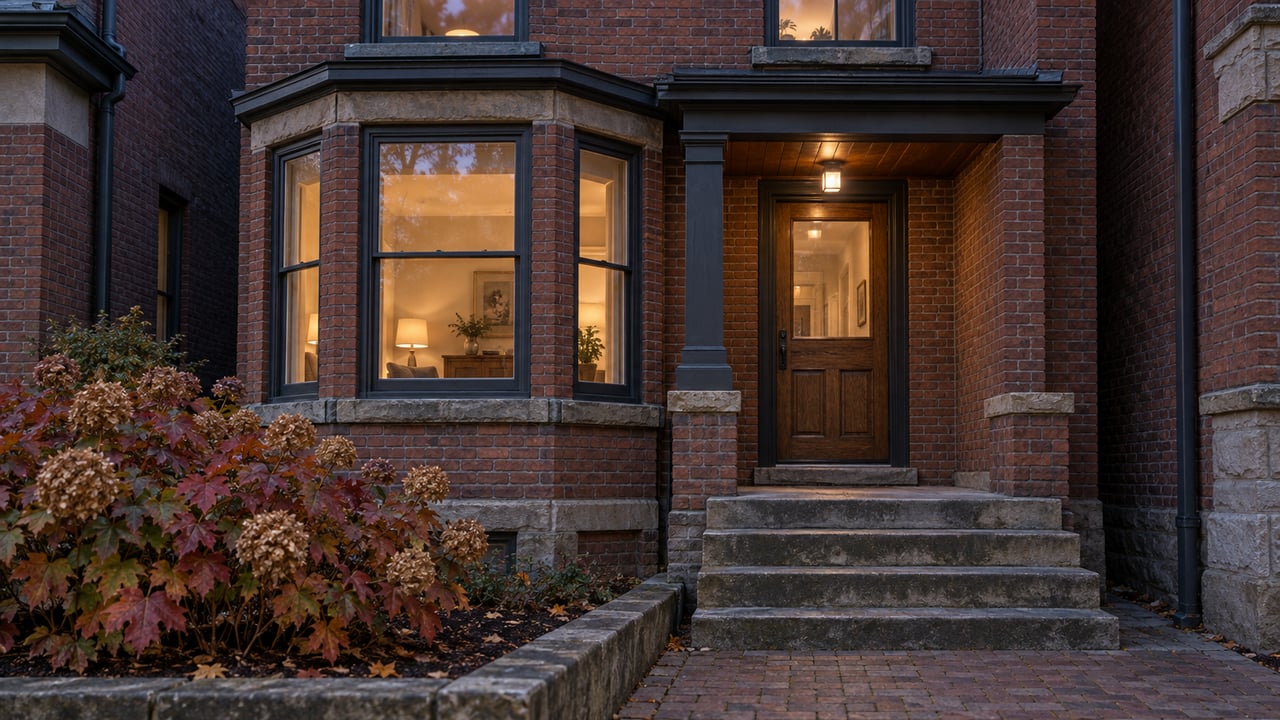
City heritage planning describes the area as a concentration of low-rise late-19th and early-20th-century house-form buildings, along with civic and institutional buildings, narrow streets, parks, open spaces, and a mature tree canopy. That gives many blocks a sense of texture and visual continuity.
At the same time, the housing story did not stop there. Early apartment buildings appeared by 1906, and later decades added more low-rise apartments, followed by mid-rise and high-rise buildings.
Another City heritage report notes that many of the area’s larger homes were later converted into apartment houses and rooming houses, especially as proximity to the University of Toronto drew students and renters. That layered pattern is still part of how the Annex reads today.
What Buyers Should Expect in the Housing Mix
If you are exploring the Annex, you can expect to encounter several property types within a relatively compact area:
- Original late-19th and early-20th-century homes
- House-form properties with heritage character
- Converted houses with multiple units
- Early apartment buildings
- Later mid-rise and high-rise residential buildings
For buyers, this mix can be a real advantage. It creates more ways to enter the neighbourhood, while also preserving the architectural richness that gives the Annex much of its identity.
Heritage Still Shapes Change
In the Annex, heritage is not just a backdrop. It is part of how change is managed.
The City identifies the East Annex as an existing heritage conservation district, and the West Annex Phase II Heritage Conservation District study remains active. That tells you the neighbourhood continues to evolve within a heritage-aware planning context.
For homeowners and buyers, this can be meaningful in several ways. It helps protect the character that draws people to the area, while also making it important to understand how renovation, restoration, and redevelopment may be reviewed over time.
If you are considering a heritage home or a character property in the Annex, local context matters. Understanding the building, the block, and the planning framework can be just as important as square footage or finish level.
Getting Around Is Straightforward
The Annex is often described as walkable, and the infrastructure supports that impression. The neighbourhood’s street pattern, main street retail, and nearby institutions make it practical to move through daily life on foot.
Bloor Street West has also seen major public-realm improvements. The City reconstructed Bloor between Avenue Road and Spadina Avenue in 2023 and 2024, adding permanent raised cycle tracks, sidewalk replacement and accessibility upgrades, green infrastructure, and a protected intersection at Bloor and St. George.
For transit, nearby stations strengthen the neighbourhood’s connectivity. Bathurst Station is accessible and serves Line 2 along with bus and streetcar routes, while St. George is an accessible interchange connecting Lines 1 and 2.
This combination of walking, cycling, and subway access is a major part of the Annex lifestyle. You can move through the neighbourhood and connect to the rest of Toronto without feeling car-dependent.
What Daily Life Can Feel Like
The Annex often appeals to people who want a neighbourhood with both character and convenience. You can spend time on a leafy residential street, then reach cafés, cultural venues, and transit within a short walk.
There is also a rhythm here that feels established rather than manufactured. Historic homes, apartment buildings, institutional architecture, public art, and active storefronts all sit close together, which gives the area a sense of continuity and change at the same time.
For discerning buyers, that balance can be especially compelling. The Annex offers a lifestyle grounded in architecture, access, and cultural proximity, without losing the lived-in feel of a residential neighbourhood.
Why the Annex Draws Lasting Interest
Some Toronto neighbourhoods are trendy for a moment. The Annex tends to hold interest because its appeal is more structural.
It has a defined history, a recognizable built form, an active main street, and access to some of the city’s most established cultural institutions. It also offers a housing stock that ranges from grand older homes to apartments and more contemporary additions, all within a neighbourhood that remains highly connected.
If you are considering a move here, the real value is not just one feature. It is how the pieces work together, creating a neighbourhood that feels thoughtful, layered, and enduring.
If you are thinking about buying or selling in the Annex and want a polished, discreet strategy shaped by true neighbourhood insight, connect with Kate Carcone.
FAQs
What is the Annex in Toronto known for?
- The Annex is known for its historic residential streets, active Bloor Street West main street, nearby cultural institutions, and a layered mix of older homes, apartments, and later residential development.
What kind of housing is in the Annex?
- The Annex includes late-19th and early-20th-century homes, converted houses, early apartment buildings, and later mid-rise and high-rise buildings.
Is the Annex a walkable neighbourhood?
- Yes. The area is widely experienced as a walking neighbourhood, with shops, cafés, transit access, and cultural destinations concentrated along and near Bloor Street West.
How easy is transit access in the Annex?
- Transit access is strong, with nearby accessible subway service at Bathurst Station and St. George Station, plus connections to bus and streetcar routes.
Does the Annex have bike infrastructure?
- Yes. Bloor Street West includes permanent raised cycle tracks, and the City has identified Bloor as a major city-wide cycling route.
How does heritage affect the Annex?
- Heritage continues to shape the neighbourhood through existing conservation districts and the active West Annex Phase II study, which means change is considered within a heritage-sensitive planning framework.
What cultural attractions are near the Annex?
- Major nearby institutions along the Bloor Cultural Corridor include the Bata Shoe Museum, Hot Docs Ted Rogers Cinema, the Royal Ontario Museum, and Koerner Hall.
Why do buyers consider the Annex?
- Buyers often consider the Annex for its architectural character, cultural access, walkability, transit connectivity, and the range of housing options available within a well-established Toronto neighbourhood.