Wondering whether a Summerhill townhome or condo is the right fit for your next move? If you want to stay in a central Toronto location without taking on more home than you need, Summerhill offers a compelling middle ground. You can find house-like layouts, boutique buildings, strong transit access, and everyday amenities that support a simpler lifestyle. Let’s take a closer look at what buying in Summerhill can really mean for you.
Why Summerhill Stands Out
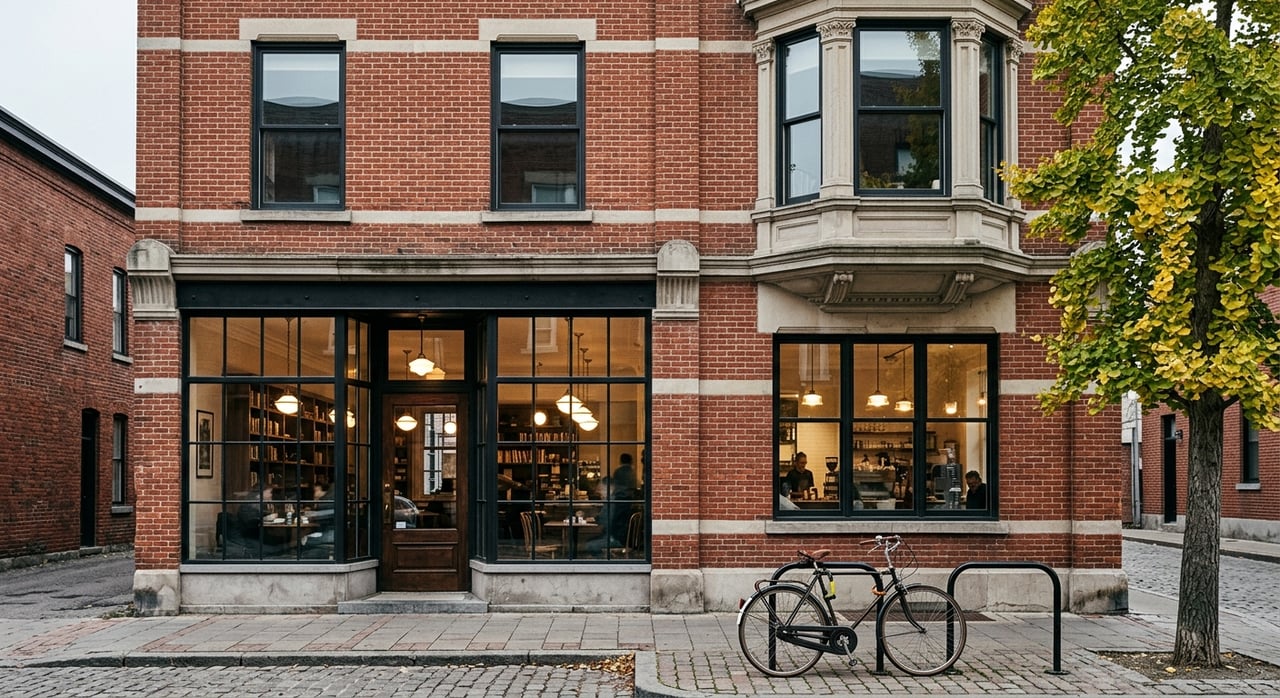
Summerhill is a low-rise Midtown enclave just south of St. Clair Avenue, shaped by historic subdivision patterns, modest row housing, and the old North Toronto rail corridor. That history still shows up in the housing stock today. Instead of a landscape dominated by large towers, you are more likely to see house-form homes, townhomes, and boutique low-rise condos.
For many buyers, that built form is part of the appeal. You get a neighbourhood that feels established and residential while still staying close to Yonge Street and central Toronto conveniences. If you are right-sizing, that balance can be hard to find elsewhere.
Summerhill Lifestyle Benefits
One of Summerhill’s biggest advantages is how easy daily life can feel. Summerhill Station at 16 Shaftesbury Avenue connects you to Line 1, and the station had two elevators in service as of December 31, 2025. The 97 and 320 Yonge routes also support local and late-night travel.
Green space is another meaningful draw. David A. Balfour Park spans 20.5 hectares and includes the 8.23-hectare Rosehill Reservoir. The City’s recent rehabilitation and enhancement work added accessible trails, washrooms, lighting, benches, and other features that make the park more usable for everyday walks and relaxed outdoor time.
The retail mix adds another layer of convenience. The Shops of Summerhill are a restored heritage retail cluster dating to 1892, with well-known local businesses including Terroni, Bar Centrale, Harvest Wagon, Olliffe Butcher Shop, Pisces, and Nadege. Summerhill Market also notes a broad prepared-food offering across its six locations, which can be especially appealing if you want quality options close to home.
Townhomes in Summerhill
Toronto defines townhouses as two- to four-storey homes with individual grade-level entrances and distinct front and rear conditions. In Summerhill, that form fits naturally with the neighbourhood’s historic row-house fabric and house-form streets. Heritage work on Shaftesbury Avenue identifies late-19th-century row houses as an important local housing type.
For you as a buyer, that often translates into a more house-like experience than a typical apartment. You may get direct entry, a greater sense of separation from neighbors, and multi-level living that feels familiar if you are moving from a detached or semi-detached home. That can make a townhome especially attractive if you want to simplify without fully changing how you live.
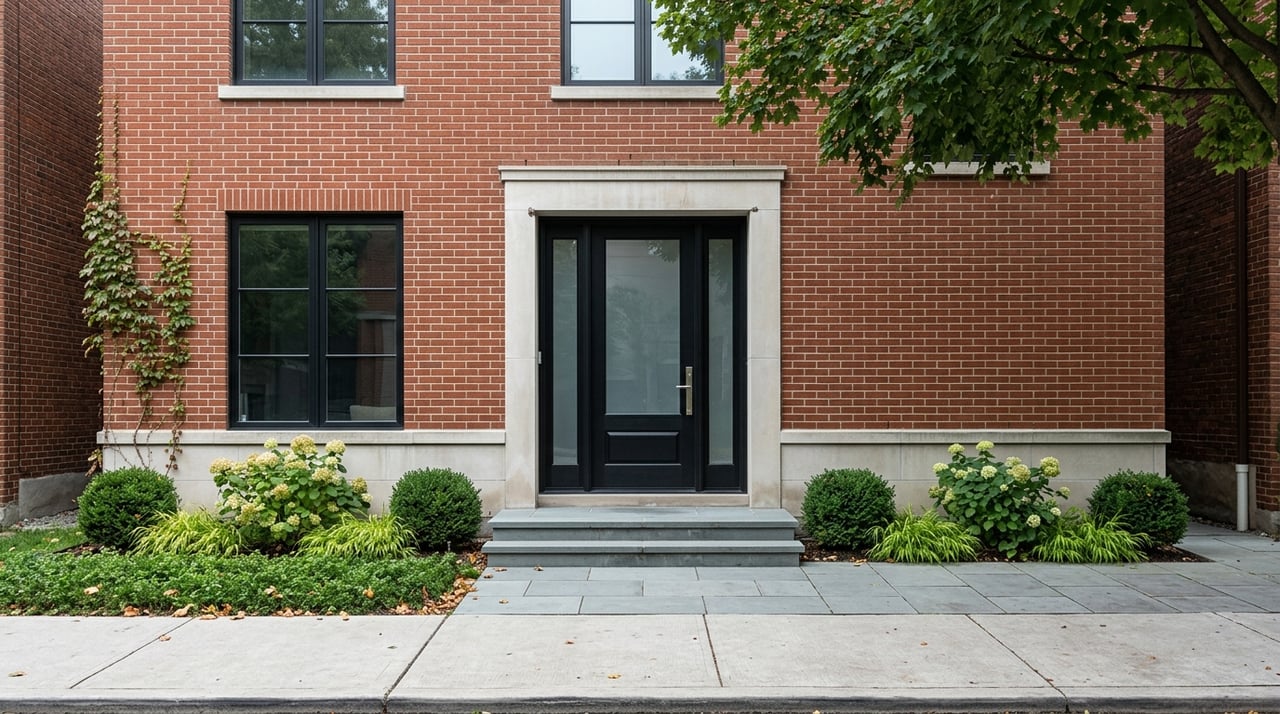
At the same time, Summerhill townhomes are not all the same. Some will reflect older historic patterns, while newer supply tends to be more premium and design-focused. Charbonnel on Avenue Road, for example, is marketed as bespoke townhomes with traditional exteriors, contemporary interiors, and customization options, which suggests that newer product in the area is aimed at buyers who value architectural character and refined finishes.
What to Expect From Townhome Living
If you are considering a Summerhill townhome, keep these practical points in mind:
- More house-like living than an apartment
- Direct entry and stronger day-to-day privacy
- Multi-level layouts that may suit right-sizing buyers
- In some cases, tighter parking and smaller outdoor spaces than suburban townhouse options
- Potentially more maintenance responsibility if the property is freehold
Because Summerhill grew from late-19th- and early-20th-century row housing and subdivision, lot patterns can feel tighter than in newer suburban communities. That means parking, private outdoor space, and storage may require closer attention during your search.
A Local Townhome Example
A condo townhouse at 95 Summerhill Avenue was listed as a three-storey, 3+1-bedroom home with about 2,000 to 2,249 square feet, plus balcony or patio space, underground parking, and visitor parking. While individual listings vary, this gives you a useful sense of the larger layouts you may encounter in the area.
Low-Rise Condos in Summerhill
Toronto defines low-rise apartment buildings as three to four storeys with a shared main entrance and internal corridors. In Summerhill, that usually points to boutique-scale condo living rather than tower living. For many buyers, that smaller scale can feel more residential and more in tune with the surrounding streetscape.
One of the key benefits of low-rise condos is that they can offer a simpler ownership experience than a freehold home. You may still enjoy a well-located property in an established neighbourhood, but with shared management of many exterior and common-area responsibilities. That can be a strong fit if you want to reduce upkeep without leaving Midtown.
What matters most in this segment is often not flashy amenities, but the details of the specific building. Building age, renovation quality, suite size, outdoor space, parking, storage, and governance all deserve careful review. In Summerhill, where many buildings are boutique and varied, those differences can have a big impact on your day-to-day satisfaction.
A Local Low-Rise Condo Example
Summerhill Gardens at 1246 Yonge is listed as a three-floor, 10-unit low-rise condo with suite sizes around 655 to 1,067 square feet. That is a helpful example of the boutique end of the local condo market, where smaller buildings may offer a quieter, more intimate ownership experience.
Freehold vs Condo Ownership
In Ontario, a condo is an ownership structure, not a building style. That distinction matters in Summerhill because you may be comparing a freehold townhome, a condo townhouse, and a low-rise condo that all look appealing for different reasons. The right choice often comes down to how much responsibility you want to carry.
With a freehold townhome, you generally have more direct control over the property. You also take on more responsibility for items like the roof, exterior walls, lawn, driveway, and garage. That can suit buyers who want independence and are comfortable managing more upkeep.
With a condo townhouse or low-rise condo, many exterior and shared elements are managed collectively. That can make ownership feel more streamlined, but it also means condo fees, building rules, and reserve fund health become more important. You will want to understand exactly what the monthly fees cover and how the building is run.
Quick Comparison
| Ownership type | Main advantage | Main trade-off |
|---|---|---|
| Freehold townhome | More control and independence | More maintenance responsibility |
| Condo townhouse | House-like layout with shared upkeep | Condo fees and building rules |
| Low-rise condo | Simplified ownership in a boutique building | Less private entry and more shared governance |
What Condo Buyers Should Review
If you are buying a condo townhouse or low-rise condo in Summerhill, due diligence matters. The Condominium Authority of Ontario advises buyers to review governing documents, status certificates, reserve fund information, and rules related to matters like smoking, pets, and rentals.
You should also confirm what the condo fees cover. Depending on the building, those fees may contribute to services such as snow removal, landscaping, cleaning, utilities, insurance, security, management, and reserve fund contributions. The exact mix can vary, so it is worth reading closely rather than assuming one building works like another.
Key Questions to Ask
- What do the monthly condo fees include?
- Is parking included, leased, or separate?
- Is there private outdoor space?
- Is storage available?
- What is the condition of the reserve fund?
- Are there rules that could affect your lifestyle or plans?
- How much updating has the building or suite received?
Pre-Construction Condo Rules in Ontario
If you are considering a pre-construction condo, Ontario gives buyers a 10-calendar-day cooling-off period after you receive the signed agreement, disclosure statement, and buyers guide. That window is important because it gives you time to review the purchase in detail.
The Condominium Authority of Ontario also recommends reviewing the six key pre-construction documents with a lawyer before finalizing the purchase. In a market segment where fine print can shape both costs and expectations, that step can help you make a more confident decision.
How to Choose the Right Fit
In Summerhill, the smartest filter is often not just price or square footage. It is ownership type, parking, outdoor space, and your tolerance for maintenance. Those factors tend to shape your long-term comfort more than a polished kitchen or a well-staged listing.
If you want a more house-like feel and are comfortable with more responsibility, a freehold townhome may be worth pursuing. If you want to keep the neighborhood lifestyle while reducing exterior maintenance, a condo townhouse or boutique low-rise condo may be the better match. In either case, Summerhill’s value proposition is clear: you can right-size without giving up a central, walkable, transit-connected address.
If you are weighing a move in Summerhill and want a clear, discreet perspective on what fits your lifestyle best, Kate Carcone can help you evaluate the options with care and local insight.
FAQs
What types of homes can you expect in Summerhill?
- Summerhill is known for house-form homes, townhomes, and boutique low-rise condos rather than large apartment blocks, reflecting the area’s historic development pattern.
What makes Summerhill appealing for right-sizing buyers?
- Summerhill offers Line 1 subway access, Yonge Street transit routes, a strong mix of daily amenities, and accessible green space, which can help you simplify without leaving central Toronto.
What is the difference between a freehold townhome and a condo townhouse in Summerhill?
- A freehold townhome usually gives you more direct control over the property, while a condo townhouse typically includes shared governance and monthly condo fees that help cover common upkeep.
What should you review before buying a Summerhill condo?
- You should review the status certificate, reserve fund information, governing documents, condo rules, and a clear breakdown of what the monthly fees cover.
Are Summerhill condos typically large tower buildings?
- No. Summerhill condos are often low-rise and boutique in scale, which can create a more residential feel than a typical high-rise setting.
What should you expect from parking and outdoor space in Summerhill townhomes?
- Because of the area’s historic street and lot patterns, parking and private outdoor space may be tighter than in newer suburban townhouse communities.