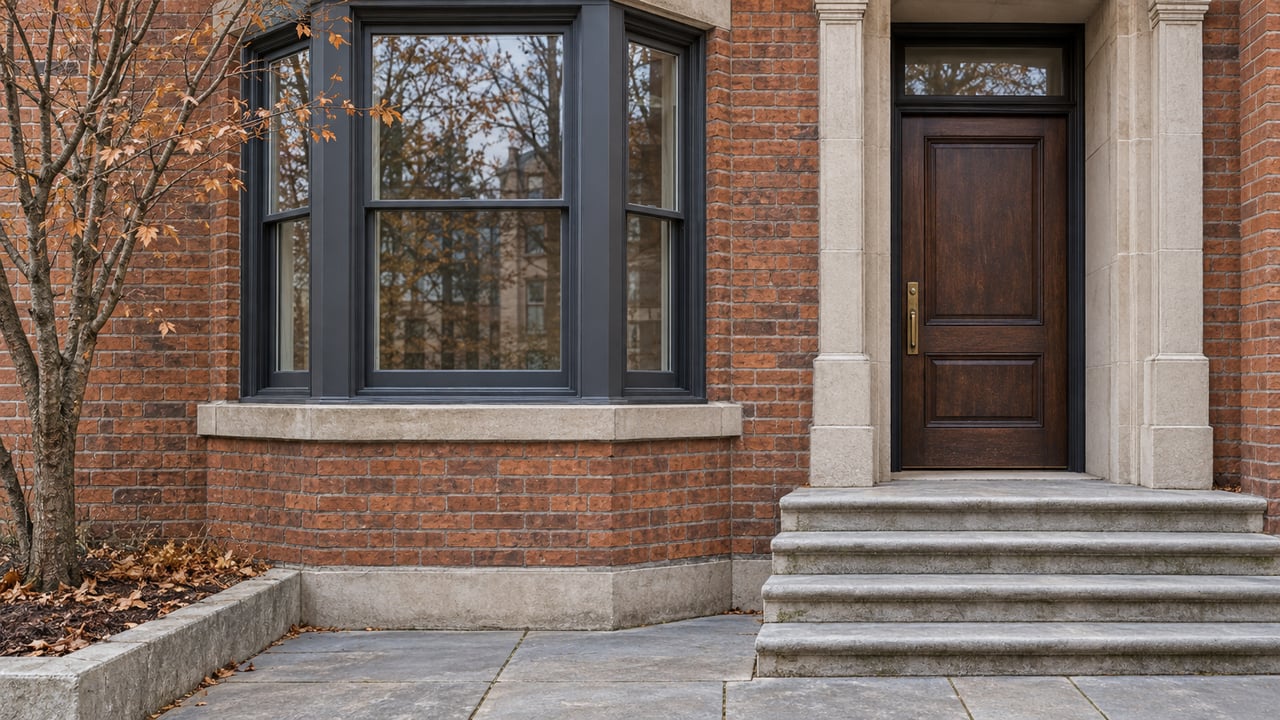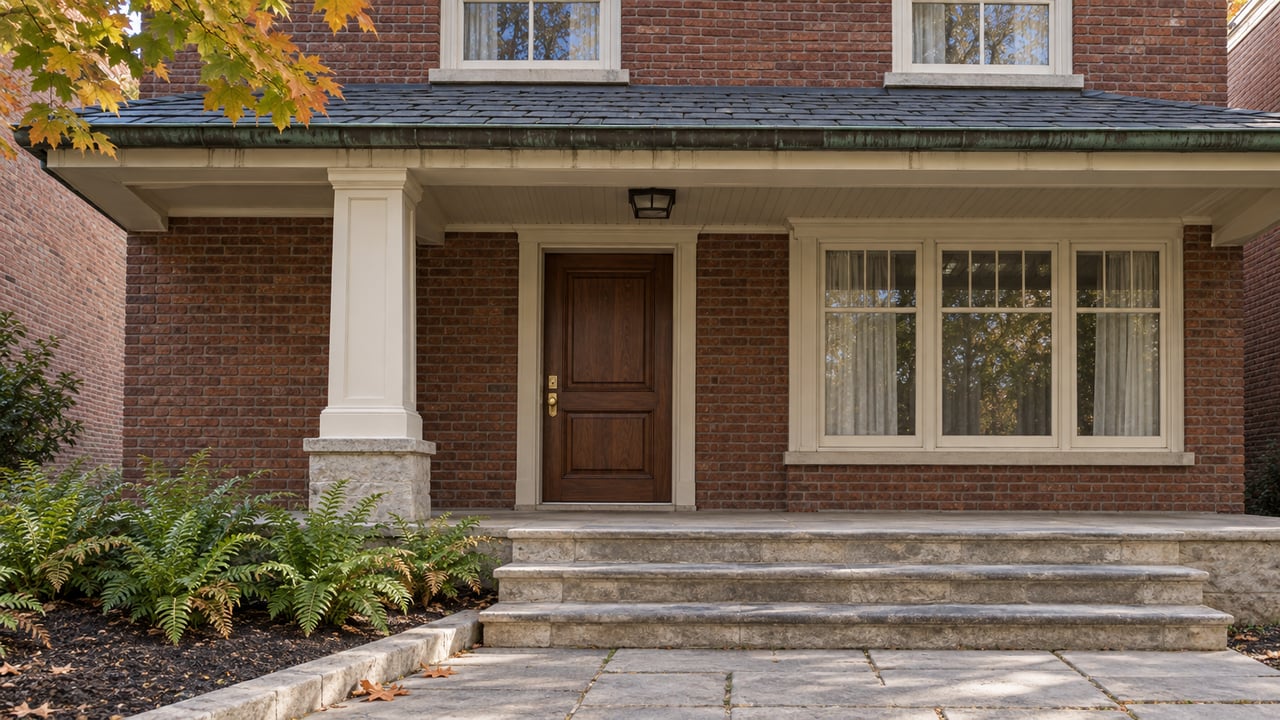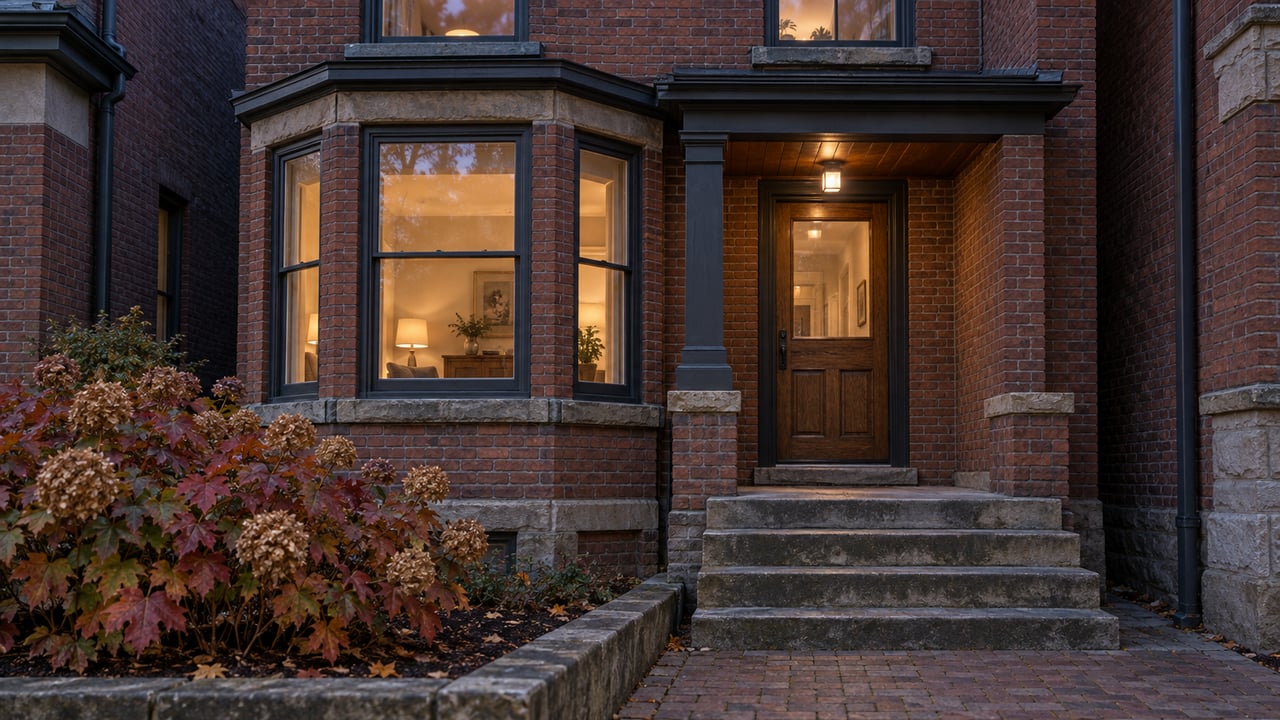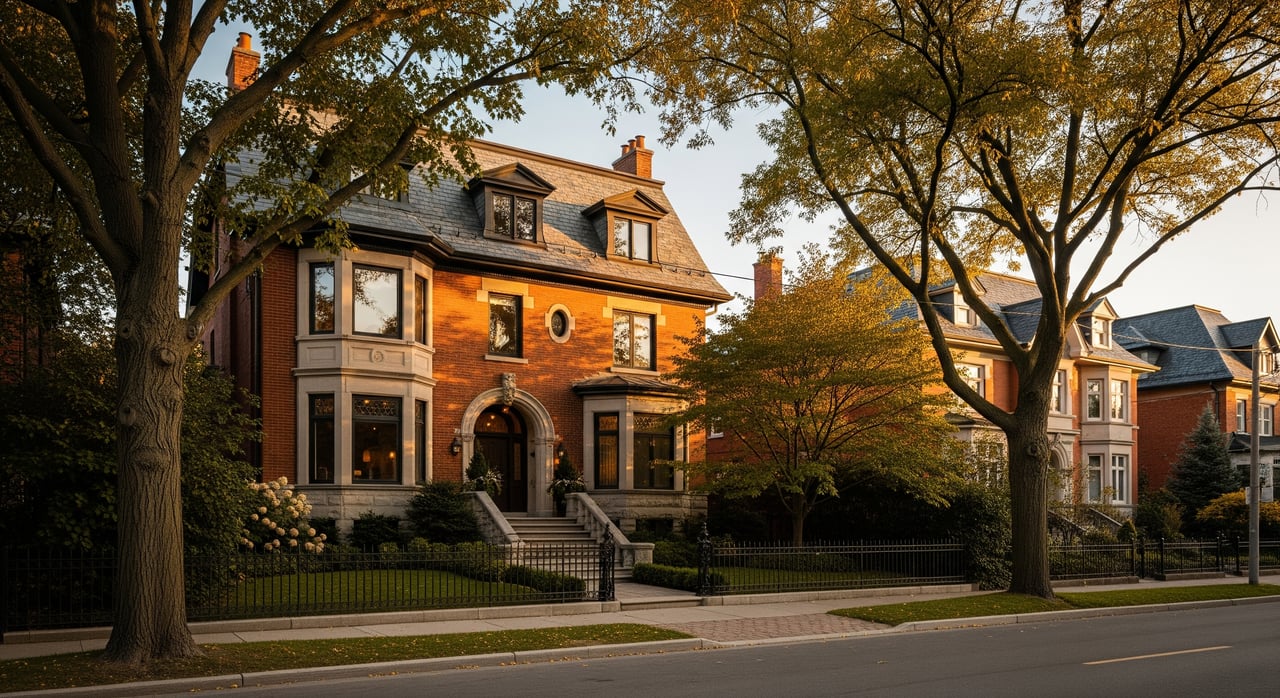
Considering a Rosedale character home and wondering what a Heritage Conservation District means for you? If you love historic streetscapes but worry about red tape, you’re not alone. The good news is HCDs are designed to guide thoughtful change, not freeze it. In this guide, you’ll learn what an HCD is, how Rosedale’s North and South districts work, what approvals you may need, and how HCD status can shape value, timelines, and your next steps. Let’s dive in.
What is a Heritage Conservation District?
A Heritage Conservation District, or HCD, is a defined area a municipality protects to conserve shared cultural heritage value under the Ontario Heritage Act (Part V). The focus is on the character of the neighborhood as a whole, not just individual buildings. Policies typically address architecture, streetscape, landscape features, and how new work should fit in.
In Toronto, the City implements HCDs through Heritage Preservation Services and formal HCD Plans. These plans set conservation objectives, outline the area’s heritage attributes, and provide design guidelines for compatible changes. They also list which kinds of work need a heritage permit and which are typically exempt.
Why cities create HCDs
- Conserve cohesive streetscapes and mature landscapes.
- Protect architectural character and materials.
- Manage change so new work is compatible in scale and design.
- Provide clarity for owners, designers, and builders.
Rosedale’s North and South HCDs at a glance
Rosedale is known for its mature tree canopy, generous lots, stone walls, and high-quality residential architecture. The North and South HCD Plans aim to protect that character by guiding how exterior changes appear from the street. Interior renovations are generally not regulated unless a property has specific interior features designated.
Contributing vs. non-contributing properties
Within each HCD, some properties are identified as contributing to the district’s character and others as non-contributing. Contributing buildings usually face tighter demolition controls and more detailed guidance for alterations. Non-contributing properties still must follow the district’s guidelines for compatible design, especially for additions and new construction.
What work is typically exempt
Each HCD Plan includes lists of permit-exempt minor work. Routine, in-kind maintenance such as repointing brick, replacing roofing with the same material, or repainting in the same color is often exempt. Larger changes like window replacements, new cladding, porches, additions, and demolition usually require heritage review and approval.
Buying in a Rosedale HCD: your due diligence
Before you commit, take a few extra steps so you know what is possible and what it may cost.
- Confirm the property’s HCD status and whether it is noted as contributing or non-contributing in the district plan.
- Review the relevant HCD Plan and design guidelines to see what exterior changes are regulated.
- Request copies of past heritage permits to understand what has already been approved.
- Ask for a written history of alterations and any City decisions or restrictions.
- Budget for added time and costs if you plan exterior changes, including potential heritage consultant fees, permit fees, and materials or trades suited to heritage work.
- Speak with a local agent experienced in Rosedale HCD properties and, for major projects, a qualified heritage consultant.
Renovating or adding: the approval path
If your planned work affects exterior features visible from the street, expect a heritage review process.
The typical process
- Pre-consultation
- Meet with City staff to confirm if a heritage permit is required and what documentation you need. Early advice helps avoid redesigns.
- Submission
- Provide drawings, a site plan, material details, and for significant projects, a Heritage Impact Assessment prepared by a qualified professional.
- City technical review
- Heritage staff review for consistency with the HCD Plan. You may receive conditions or requests for revisions.
- Decision
- Many routine permits are approved by staff. Larger or contentious applications may proceed to the City’s heritage body and City Council.
- Implementation and inspections
- Once approved, you must follow permit conditions. Starting work without required approval can trigger enforcement.
Timelines to expect
- Minor, permit-exempt work: immediate to a few weeks for confirmation.
- Alterations needing staff-level permits: often 4 to 12 weeks, depending on complexity and a complete submission.
- Major projects requiring an HIA or Council decision: several months, commonly 3 to 6 or more.
Cost considerations
- Professional support: heritage consultants and heritage architects for assessments or design guidance.
- City fees: heritage permit fees apply and vary by project.
- Construction: premium materials and trades suitable for heritage work can increase costs.
- For planning purposes, budget from several hundred to several thousand dollars in professional review and fees for smaller projects, with major projects costing more.
Selling a home in an HCD
HCD status can be an advantage when positioned correctly. Buyers who value predictability and historic ambiance often seek out protected districts.
- Disclose the property’s HCD status and any permits or restrictions clearly in listing documents.
- Showcase the home’s character, streetscape context, and compatible upgrades as assets.
- If you plan to market with proposed changes, confirm the concept aligns with the HCD Plan and consider securing approvals in advance when timelines allow.
Do HCDs affect value?
Studies in Canada and internationally often show mixed but frequently positive effects on values, thanks to the preserved character and neighborhood stability. That said, added review and design requirements can narrow the buyer pool for those seeking broad redevelopment freedom. In Rosedale, the net effect depends on the clarity of the district guidelines, the home’s status as contributing or non-contributing, and the strong local demand for character properties.
Practical next steps
- Pull the Rosedale North or South HCD Plan and confirm the property’s contributing status.
- Check the City’s Heritage Register entry for the address and any prior decisions.
- Book a pre-consultation with City heritage staff if you plan exterior changes.
- Engage a heritage architect or consultant early for significant alterations or additions.
- Gather any past permits, drawings, and documentation to streamline review.
- Work with a local agent experienced in Rosedale HCD transactions to align timing, approvals, and market strategy.
If you are weighing a purchase or preparing a high-profile sale in Rosedale, you deserve clear guidance and a polished plan. For discreet advice and a marketing-first strategy tailored to character homes, connect with Kate Carcone.
FAQs
What does “Heritage Conservation District” mean in Rosedale?
- It is a protected neighborhood area where the City manages exterior changes to conserve shared heritage value, guided by HCD Plans under the Ontario Heritage Act.
Are interior renovations in a Rosedale HCD regulated?
- Generally no. Interior work is typically outside HCD control unless a property has specific interior elements individually designated.
Can I add an addition to a contributing home in Rosedale?
- Often yes, if the design is compatible in scale, massing, materials, and setbacks. Major proposals may require a Heritage Impact Assessment and formal review.
How long do heritage permits take in Toronto?
- Minor alterations can take weeks once a complete application is submitted. Projects needing an HIA or Council decision can take several months.
Does HCD status change my property taxes in Toronto?
- No. HCD designation does not automatically affect assessment. Property assessment is handled by the provincial agency and is based on market value.
Can a building in Rosedale’s HCDs be demolished?
- Demolition of contributing buildings is typically strongly discouraged or restricted and requires rigorous municipal review under the HCD Plan.