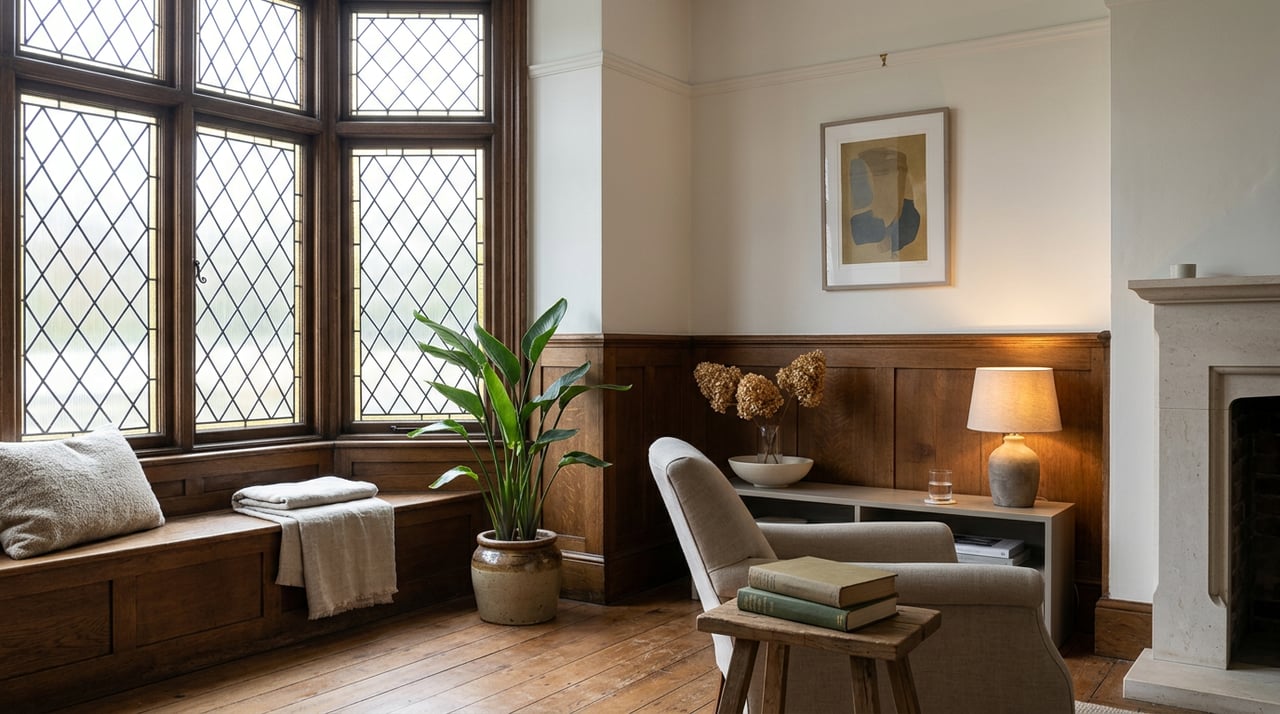
Last fall, a heritage-designated house on Castle Frank Crescent went on the market for close to $3.9 million. Built in 1910, it backs onto a ravine, sides onto Bloor Street, and still has its original stained and leaded glass windows intact. Thirty-six people came through. Nobody made an offer.
In March, the same house came back at $2,999,000 with an offer date attached. Roughly the same number of visitors showed up, thirty-six again, but this time seven of them submitted offers. It sold nine days later for $3.31 million, according to the Globe and Mail's coverage of the sale. Listing agent Gillian Oxley described the strategy simply: price it low enough to draw a crowd and "let the market show us what the value was."
Same house. Same ravine lot. Same number of people walking through the door. One price produced silence and the other produced a bidding contest that added more than $300,000 to the final number. The house didn't change between those two listings. What changed was how much renovation risk buyers had to price in themselves, and that risk has a specific, calculable source in Rosedale: the heritage approval process.
What Heritage Designation Actually Restricts
Rosedale is split into two Heritage Conservation Districts, North and South, designated under Part V of the Ontario Heritage Act. Combined, they cover roughly 1,800 properties, making them the largest HCD in Ontario. South Rosedale's district was formalized by City of Toronto By-law No. 115-2003, enacted February 7, 2003. North Rosedale followed with its own designation by-law the following year.
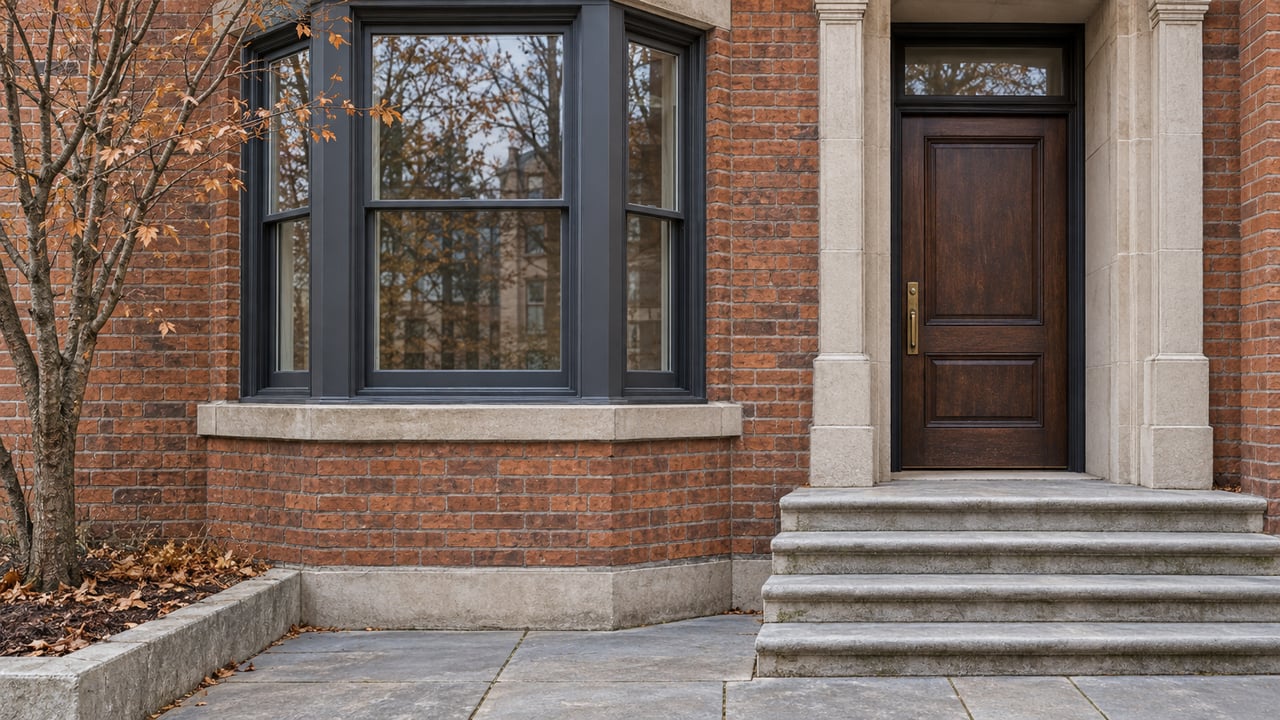
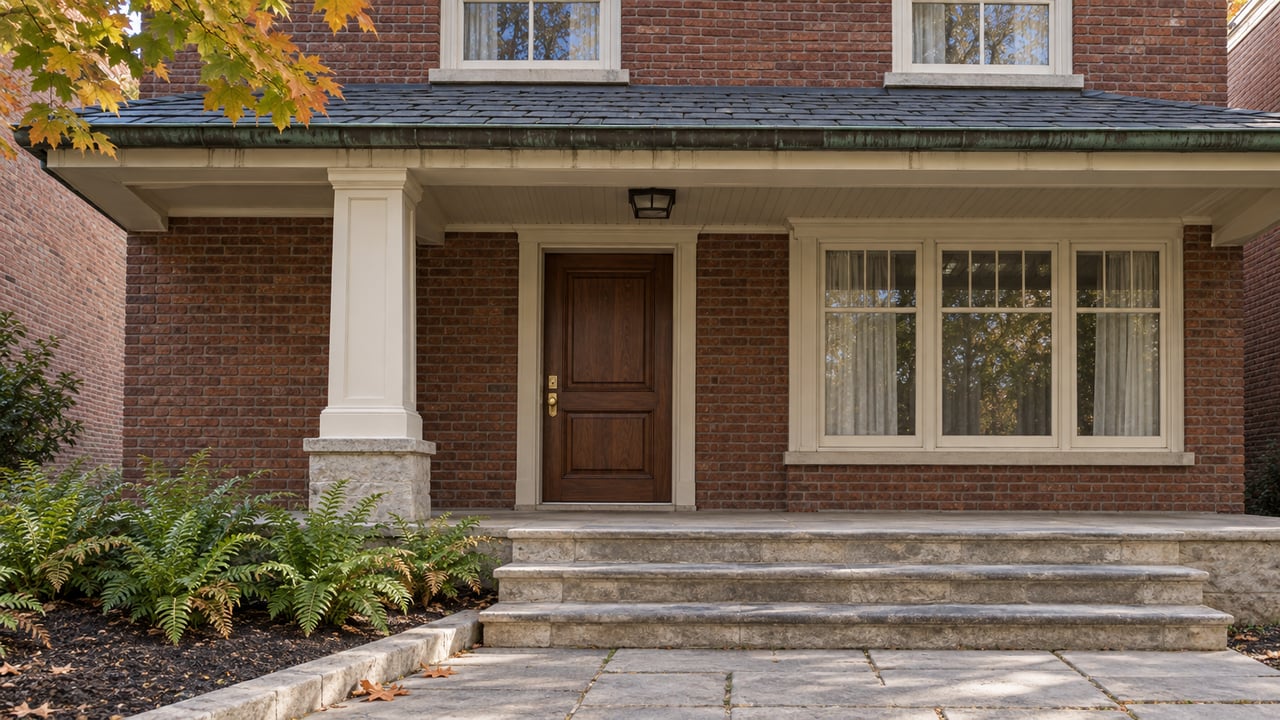
The part most buyers get wrong is assuming the whole house is frozen in place. It isn't. The South Rosedale Residents' Association says heritage review in both districts applies only to what's visible from the street. That means:
- Original windows, doors, and railings
- Brick painting or new cladding on the front elevation
- New skylights or changes to the front porch
- Landscape alterations visible from the street
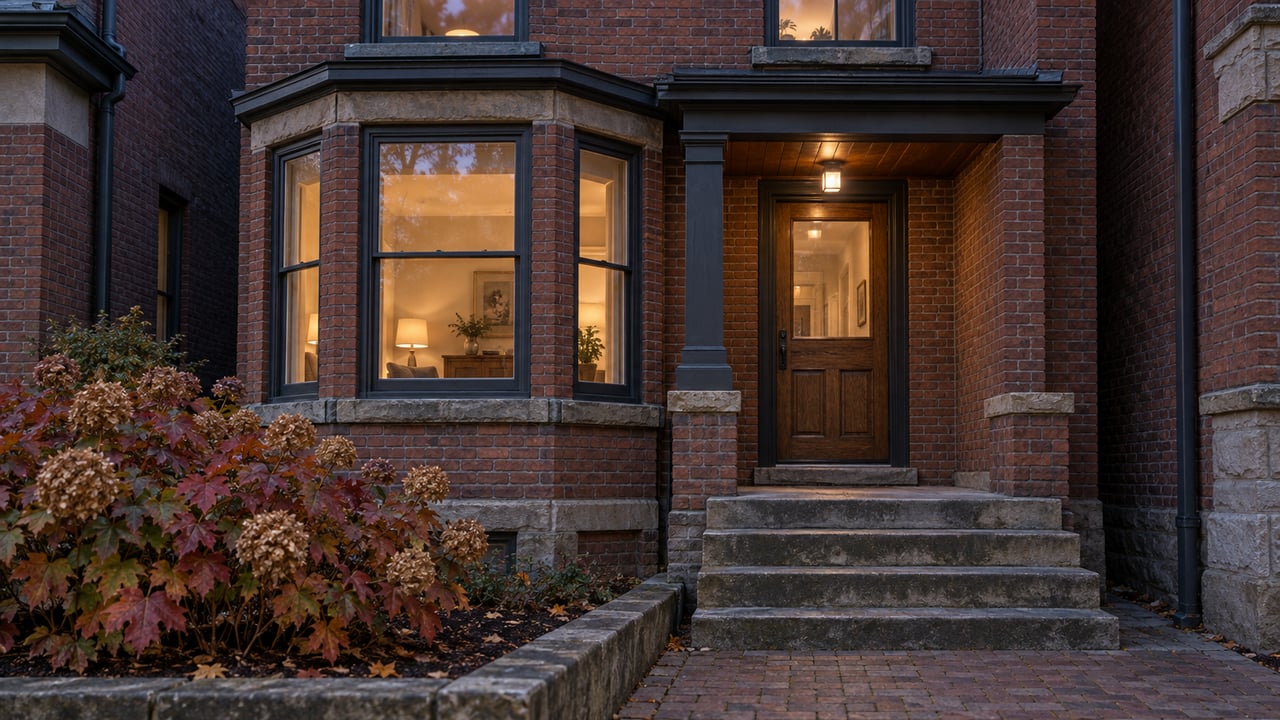
This is why so many Rosedale renovations keep a faithful Victorian or Edwardian face while gutting and extending everything behind it. The house you see from the road and the house a buyer can actually live in are two different negotiations
The Approval Clock Nobody Puts On A Listing Sheet
Here's what a buyer touring a $3.9 million heritage home is quietly doing math on, whether they say it out loud or not.
BVM Contracting's guide describes Rosedale's zoning caps at roughly 35 percent of lot area on ravine-adjacent properties and around 60 percent on interior lots. The guide says a Committee of Adjustment variance runs another two to four months and carries an application fee just over $2,200. BVM Contracting's case studies report that recent Rosedale addition projects have taken 8 to 12 months from first conversation to permit in hand, with at least one documented project stretching to 14 months once revision cycles were factored in.
Two live cases from this year show how that review actually plays out when it reaches City Council. At 9 Drumsnab Road, a B-rated property in the South Rosedale HCD, the owner sought to remove original windows and enlarge the entryway's sidelights, transom, and door opening. Council approved the window changes but refused the entryway enlargement, leaving the owner with the option to appeal to the Ontario Land Tribunal. A few blocks north, at 2 Whitney Avenue in the North Rosedale HCD, an application to complete a partially built boundary wall with decorative metalwork up to 2.2 metres in height was recommended for approval after a revised design addressed staff concerns.
| 9 Drumsnab Road | 2 Whitney Avenue | |
|---|---|---|
| District | South Rosedale HCD | North Rosedale HCD |
| Proposal | Enlarge front entryway, replace windows | Complete a boundary wall structure |
| Status | Windows approved, entryway refused | Recommended for approval |
| What mattered | Scale change to a street-facing feature | Design revision aligned to district plan |
Same act of asking permission, two different results at different stages of this year’s review process. That unpredictability is part of what a buyer is pricing in.
Grand Design Build's page says homes adjacent to the Rosedale Valley ravine or the Vale of Avoca often need a separate review from the Toronto and Region Conservation Authority. And even once a design clears every review, heritage-spec wood windows built to match original sightlines and muntin patterns typically carry an 8 to 12 week manufacturing lead time on their own.
None of this shows up in a listing description. All of it shows up in how comfortable a buyer feels writing an aggressive offer on a house they're already imagining changes to.
Who's Actually Reviewing Your Application
The city contacts aren't interchangeable between the two districts, which is a detail worth having straight before you list. South Rosedale's heritage planning contact is Will Thomas, Assistant Heritage Planner. North Rosedale's file goes through the city's Heritage Preservation Services office, and the North Rosedale Residents' Association maintains its own heritage page explaining the district's advisory committee, a group of neighbours the city consults on renovation proposals before permits move forward. A buyer's agent who calls ahead and finds this out mid-negotiation reacts differently than one who knew about it before writing an offer.
The City's Heritage Permit Guide lays out the formal application steps: a sketch of the proposed work, drawings, current photographs of the area being altered, and a meeting with staff before submission. Sellers who assemble this packet ahead of listing, along with copies of any prior heritage permits or Committee of Adjustment decisions on the property, hand a serious buyer something they'd otherwise spend months chasing down themselves.
Why The Price Point Is Doing More Work Than The Marketing
Go back to Castle Frank Crescent. At $3.9 million, the house was being evaluated partly as a platform, a large, well-located shell that a buyer might eventually expand or reconfigure. That framing forces a buyer to price in everything above: the possible Committee of Adjustment variance, the TRCA layer given the ravine lot, the uncertainty of which way a Council decision might go. Add it up and a buyer's mental math quietly discounts the asking price by an amount nobody puts in writing.
At under $3 million with an offer date, the same house was being sold as what it already is: a finished, provable heritage asset with 7,000 square feet above grade and original leaded glass intact, not a renovation project. That framing removed the approval-clock discount from the buyer's calculation, because there was nothing left to price in. The result was seven offers competing on the asset in front of them rather than one offer trying to underwrite a year of uncertainty.
The lesson for anyone listing a heritage home in Rosedale isn't to underprice out of caution. It's to price to the house as it stands and let its "as is" value, the preserved details, the lot, the address, carry the number, rather than pricing in speculative upside that a buyer will spend the next year discovering they can only partly realize.
A Few Questions Sellers Ask
Should I renovate the exterior before listing to boost value? Usually not worth rushing. Heritage-sensitive exterior work costs more per square foot and moves through the same review timeline described above. In most cases it's more efficient to let a buyer make that decision with full knowledge of the process, priced accordingly.
If you're weighing when to list a Rosedale heritage property, or trying to figure out what a buyer will actually pay for what your house is today versus what it might become, Kate Carcone has spent years pricing exactly this kind of asset. Let's Connect.
This article is general information, not legal, tax or financial advice. Consult a qualified professional about your situation.