Ever watched a great Annex listing go live, only to see it sold before the offer date? If so, you likely ran into a pre‑emptive, or “bully,” offer. It can feel abrupt and high‑pressure, whether you are buying or selling. In this guide, you will learn what bully offers are, why they happen in The Annex, and how to use or respond to them with confidence. Let’s dive in.
What a pre‑emptive offer is
A pre‑emptive or “bully” offer is an unsolicited offer made before the set offer date. It is usually stronger than the list price suggests and often includes aggressive terms, such as a higher price, fewer conditions, a larger deposit, and a faster closing. Buyers use it to secure a property before competing bids arrive. Sellers may consider it to lock in a result without waiting for offer night.
An offer becomes binding only when properly completed, signed, and accepted by the seller, with any included conditions later satisfied. Every offer has an irrevocable period, which is the time the buyer gives the seller to accept.
How offer dates work in Toronto
In Toronto, listings often include “offers presented on” with a specific date and time. This practice aims to gather multiple bids at once. It is a marketing and transaction approach, not a legal block on earlier offers. Sellers can still choose to review and accept a valid offer before that date if they wish.
Some listings state “no pre‑emptive offers.” This signals the seller’s preference, but it does not prevent a buyer from submitting one or a seller from changing course. Agents should follow brokerage policies and any written seller instructions, and document all directions.
Legal basics in Ontario
Sellers’ agents must present offers to their clients as they receive them and provide advice on pros and cons. Buyer’s agents must act in the buyer’s best interests and avoid misleading conduct. Confidential details of other offers are generally not shared without consent, although agents can disclose the existence of other offers when that information matters to the decision.
If several offers arrive, sellers should evaluate the full package, not just the price. Deposit size, proof of funds, conditions and their timelines, closing date, and the buyer’s ability to close all matter.
Why bully offers happen in The Annex
The Annex is a central, highly sought‑after neighbourhood with classic homes, access to transit, cultural amenities, and proximity to the University of Toronto. Inventory can be limited because many properties are older and turnover is modest. When a well‑priced home lists, strong demand can build quickly.
This mix often produces competition, especially for single‑family homes and well‑located condos. Buyers who believe a property is underpriced or uniquely suited to their needs may act early to avoid a bidding war. Sellers who value speed and certainty may review a convincing pre‑emptive offer rather than wait for the offer date.
For buyers: when to consider it
You might consider a pre‑emptive offer if:
- You believe the home is priced below where the market will land.
- Inventory feels tight and you expect heavy competition on offer night.
- You can present a strong, credible package, including proof of funds and a meaningful deposit.
- The property is a rare fit and you can tolerate added risk.
Risks to weigh:
- You could overpay if the bidding would not have climbed as high.
- Waiving conditions like inspection or financing increases risk and reduces leverage for repairs or adjustments later.
- A short irrevocable timeline may pressure you into quick decisions without full diligence.
How to build a credible buyer offer
A strong pre‑emptive offer typically includes:
- Clear proof of funds and, if applicable, a mortgage pre‑approval letter.
- A meaningful deposit that signals commitment.
- A clean set of terms, with limited or shorter conditions.
- A realistic closing date that suits the seller.
- A reasonable irrevocable period that allows review without inviting a bidding round.
You can also consider an escalation clause that increases your offer in set increments up to a cap if higher competing offers appear. Some sellers or brokerages may not favor this approach because it adds complexity, so discuss it with your agent first.
Protect yourself as a buyer
If you make a bully offer, focus on diligence and clarity:
- Retain key protections, or shorten timelines instead of waiving everything outright.
- Pre‑review available documents with your agent and lawyer when possible.
- Align closing, inclusions, and deposit details with the seller’s needs without overreaching on risk.
- Have your lawyer and lender ready so you can move quickly if accepted.
For sellers: when to accept or wait
Consider accepting a pre‑emptive offer if the price and certainty are strong, the buyer’s financing appears solid, and the terms match your timing. If you prioritize a quick, secure sale, a convincing early offer can be appealing.
Wait for offer night if you believe broader exposure will drive higher bids, or if you want to complete marketing and open houses to capture maximum interest. Your agent can help you assess early signals and the likely strength of the buyer pool for your property type.
What to evaluate beyond price
When reviewing a bully offer, look at the whole picture:
- Deposit amount and form, plus proof of funds.
- Number and length of conditions, and what they cover.
- Closing date and possession timing.
- Any inclusions, exclusions, or credits that affect net proceeds.
- The buyer’s representation and perceived ability to close.
Alternatives to bully offers
You have options other than an early, subject‑free offer. Understand these tools and when to use them:
- Escalation clause. You set a starting price and agree to increase by a set increment up to a cap if a higher offer appears. This can limit overpayment but adds complexity.
- Highest and best. Sellers can ask all interested buyers to submit their best terms by a deadline, which formalizes competition.
- Shorter condition periods. Keep important protections, but shorten the timelines to reduce uncertainty.
- Larger deposit. A bigger deposit often signals seriousness and can help your offer stand out.
- Thoughtful irrevocable period. Enough time for review, not so long that it invites a shopping process.
A simple Annex scenario
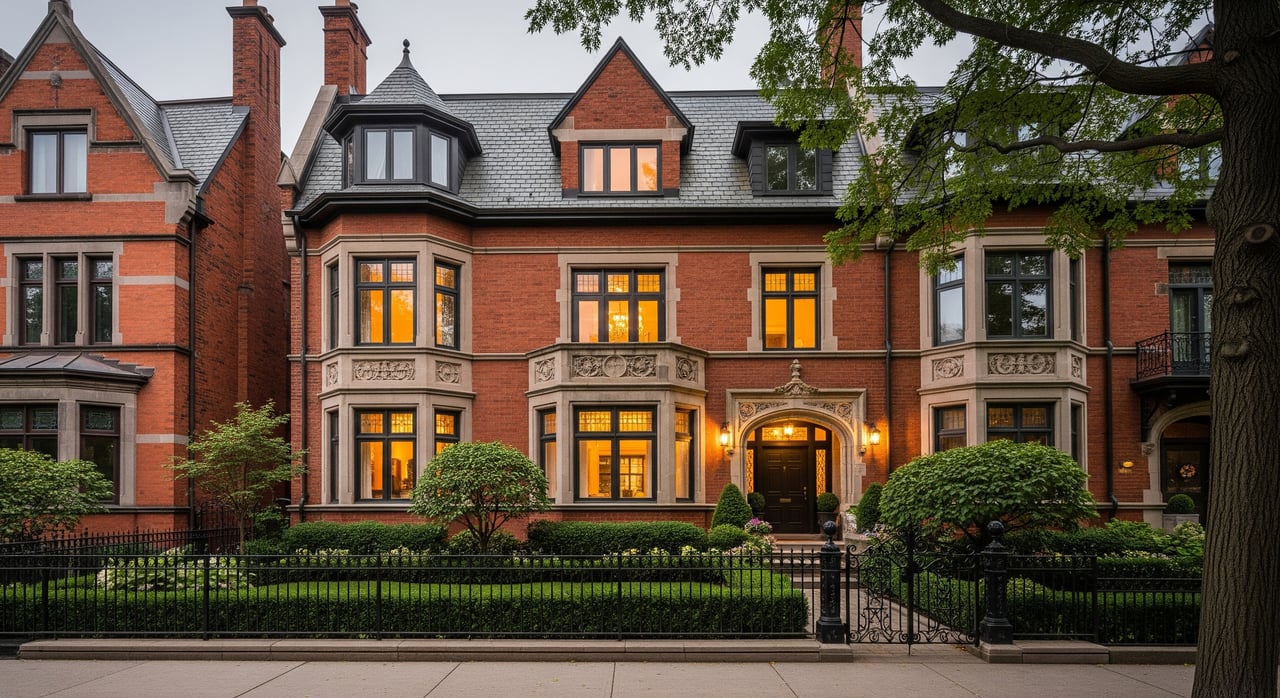
A well‑presented Edwardian home lists with an offer date. A buyer who has been watching the street for months believes demand will be intense. They submit a pre‑emptive offer with a larger deposit, short inspection and financing periods, and a closing date that suits the seller’s move.
The seller weighs certainty against the potential upside of a busy offer night. After consulting their agent on likely interest and reviewing the buyer’s proof of funds and terms, they decide whether to accept now or continue to offer night. The decision hinges on confidence in the buyer’s ability to close and whether broader exposure is likely to deliver meaningfully better terms.
Checklists you can use
Use these quick references to prepare or respond with clarity.
Buyer pre‑emptive offer checklist
- Completed written offer on the standard form.
- Proof of funds for deposit and closing.
- Mortgage pre‑approval, if not paying all cash.
- Meaningful deposit and a clear irrevocable period.
- Practical closing date that suits the seller.
- Limited or short conditions, not a blanket waiver by default.
- Your lawyer and lender on standby for a faster close.
Seller evaluation checklist
- Verify proof of funds and financing credibility.
- Compare net proceeds after adjustments.
- Confirm deposit amount and timing.
- Review conditions and their timelines for risk and certainty.
- Ask your agent for an informed view on expected offer‑night interest.
- Consider the buyer’s reliability and the agent’s professionalism.
Common pitfalls to avoid
- Chasing speed over substance. A fast deal that unravels helps no one.
- Waiving all protections without alternatives. Shorter condition windows can balance risk and certainty.
- Setting an unrealistic closing date. Align timing to reduce friction.
- Using an irrevocable period that is too short to allow careful review.
- Focusing only on price. Deposit, conditions, and proof of funds often decide outcomes.
The Annex strategy for premium listings
In The Annex, presentation and process control influence results. For sellers of distinctive homes, a full marketing arc can draw a broader audience and increase certainty that you have reached the market’s top end. Accepting a pre‑emptive offer may trade some exposure for speed and simplicity.
If you choose to entertain a bully offer, set clear instructions with your agent, document procedures, and evaluate the full terms with care. If you prefer to run a complete campaign to maximize reach, ensure your home is positioned with editorial‑calibre marketing and that offer night is managed with discipline. The right path depends on your priorities, timeline, and risk tolerance.
If you are weighing a pre‑emptive strategy in The Annex, or want a measured plan to maximize exposure before offer night, connect with Kate Carcone for discreet advice tailored to your goals.
FAQs
Is a bully offer legal in Ontario?
- Yes, a seller can accept a valid offer at any time unless already bound by another agreement, even if an offer date was set as part of the marketing plan.
Can a seller refuse a pre‑emptive offer after setting an offer date?
- Yes, a seller can refuse and wait for the scheduled date, or they can change course and review an early offer if they choose, consistent with documented instructions.
What makes a pre‑emptive offer credible in Toronto’s Annex?
- Strong price and certainty, a meaningful deposit, proof of funds or pre‑approval, a practical closing date, and minimal or short conditions.
Should I waive my home inspection to strengthen a bully offer?
- Not by default; consider a short inspection window or pre‑review where possible so you balance protection with competitiveness.
What is an escalation clause in a real estate offer?
- It is a clause that increases your offer by set increments up to a cap if a higher competing offer appears; it can help but adds complexity some sellers may avoid.
How do I protect myself as a buyer making a bully offer?
- Keep key safeguards with shorter timelines, align terms with the seller’s needs, verify financing, and have your lawyer ready to review documents quickly.
How does accepting a pre‑emptive offer affect listing marketing?
- It shortens the exposure period and may bypass open houses and broader outreach, which can trade potential upside for speed and certainty.